Discovering the Power of my Menstrual Cycle
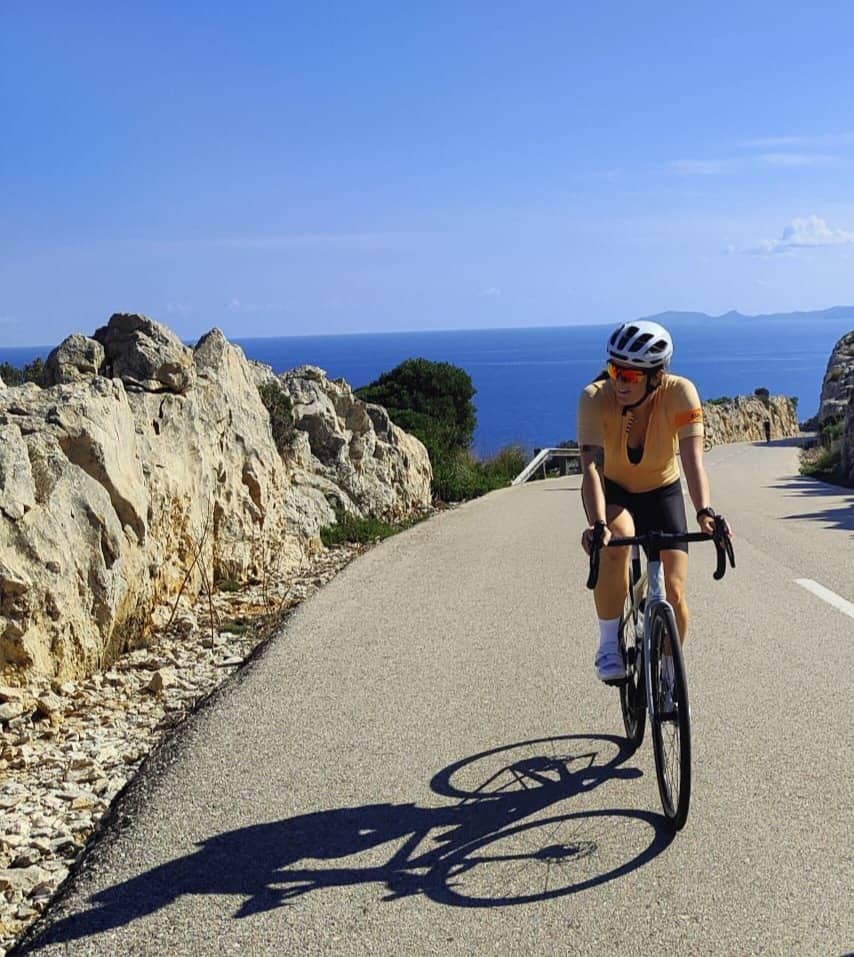
by Project REDs ambassador, Charlotte Duport
In 2024 I joined a triathlon club in the hope of making friends. It was a busy year as I’d also moved back to France and was beginning my career in physiotherapy. Starting work was very intense. My rota, patients and colleagues changed almost every week, it took a lot out of me, and I put a lot of pressure on myself to do well. Triathlon training sessions helped me let off steam, but organising everything was a huge mental strain.
I was also physically exhausted. I was often hungry, ill and sleeping poorly. But I was used to it, so I told myself it was normal. I’d experienced these symptoms, as well as late periods, during stressful times at university. Though training sessions were going well and I was making progress, I knew that the volume of sessions was too much for me. I reluctantly made the decision to cut things back a bit.
I wanted to be at peace with doing less than others, but struggled to keep the frustration at bay."
I tried to put things into perspective: this would be a great year for discovery and laying the path ahead. But after just a few months of the exhaustion and stress, I was struggling to get through the day. I also noticed my menstrual cycle was getting longer, and the severity of my premenstrual symptoms was increasing.
Worried, I went to see my GP, but she didn’t match my concern. She prescribed me sleeping tablets, saying, ‘We’ll see if you need antidepressants later on.
As all this was going on, I began learning about women in sport through my work. I learned about the menstrual cycle, sports nutrition… and then I heard about REDs.
At first, I thought I wasn’t fit enough or slim enough to have REDs. I felt bigger than everyone else in the triathlon club."
But the more I learned, the more I recognised myself in the REDs symptoms, particularly those related to periods. I was frustrated that these symptoms were often brushed off as something else. It’s often said that severe PMS is normal with the copper coil.
Fascinated, I continued to learn. I was amazed to see that the symptoms stretched far further: sleep disorders, ‘brain fog’, poor recovery, depression, anxiety, reduced libido, a drop in performance… that doesn’t come until later. That’s the real trap. It’s hard to stop something that you don’t realise is happening.
But my research allowed me to realise it. I learned how greatly I had been underestimating my energy requirements. My body had been trying to tell me to stop, and this time I was going to listen.
These are three things I’m putting in place to help me get better:
I now put time aside for self-care and stillness. I read, practise steady breathing and colour. I’ve stopped working late into the evenings. To begin with, I had to force myself to do these things, but I now enjoy them and my sleep has improved greatly.
I’m eating more and training less. This tactic is harder to learn to love. I sometimes find myself trying to tread the line of not losing weight, yet also not gaining it - but I’m working on it. I now incorporate snacks and intake during exercise.
I’m getting to know my body and its warning signs. I now track my menstrual cycle and PMS, which I find to be good indicators of my recovery, stress management and training load. As I continue to implement the two steps above, the severity of my PMS is decreasing, the length of my cycles is returning to normal, my libido is coming back, my breast tenderness and cramps are easing, and my mood swings are less frequent.
As an athlete and healthcare professional, it’s mindblowing that I didn’t know about any of this before. During my studies, we’d briefly been told about the female athlete triad model, but this reduces the condition to amenorrhoea, eating disorders and weight loss. We’d never heard about REDs, nor had my GP and gynaecologist.
My time with REDs was difficult, but I’ve taken some positives from it, especially about how the menstrual cycle is a powerful tool. While the cycle is so often associated with downsides, I’m convinced we can turn it into an incredible guide. I believe we should understand how it works and what it can offer. From my perspective as both an athlete and a physiotherapist, I feel this is a necessity.
I also know what I want to do with my work now. I want to support athletes who can’t find answers to their symptoms, and build a network of qualified professionals. I want to carry out prevention and education initiatives for athletes, coaches and healthcare professionals, so that REDs can be diagnosed as early as possible.
If you find yourself suffering with REDs, these are the words I would have liked to hear at the start of my journey. Trust yourself, listen to your body. It’ll take time, but it’s worth it.”