REDs Awareness Tooklit
REDs Toolkit
Explore the Athlete and Support Team Toolkits - practical resources designed to help you understand, prevent, and manage REDs, keeping athletes healthy and performing at their best.
Athlete Stories
REDs: Our Journeys
Real athletes. Real stories. Real recovery. Athletes from both sides of the Atlantic share their experience of REDs, alongside expert insight from Dr Efren Caballes, dietitian Kelsey Pontius and Coach Jill Miller.

Distance runner
Jake Riley
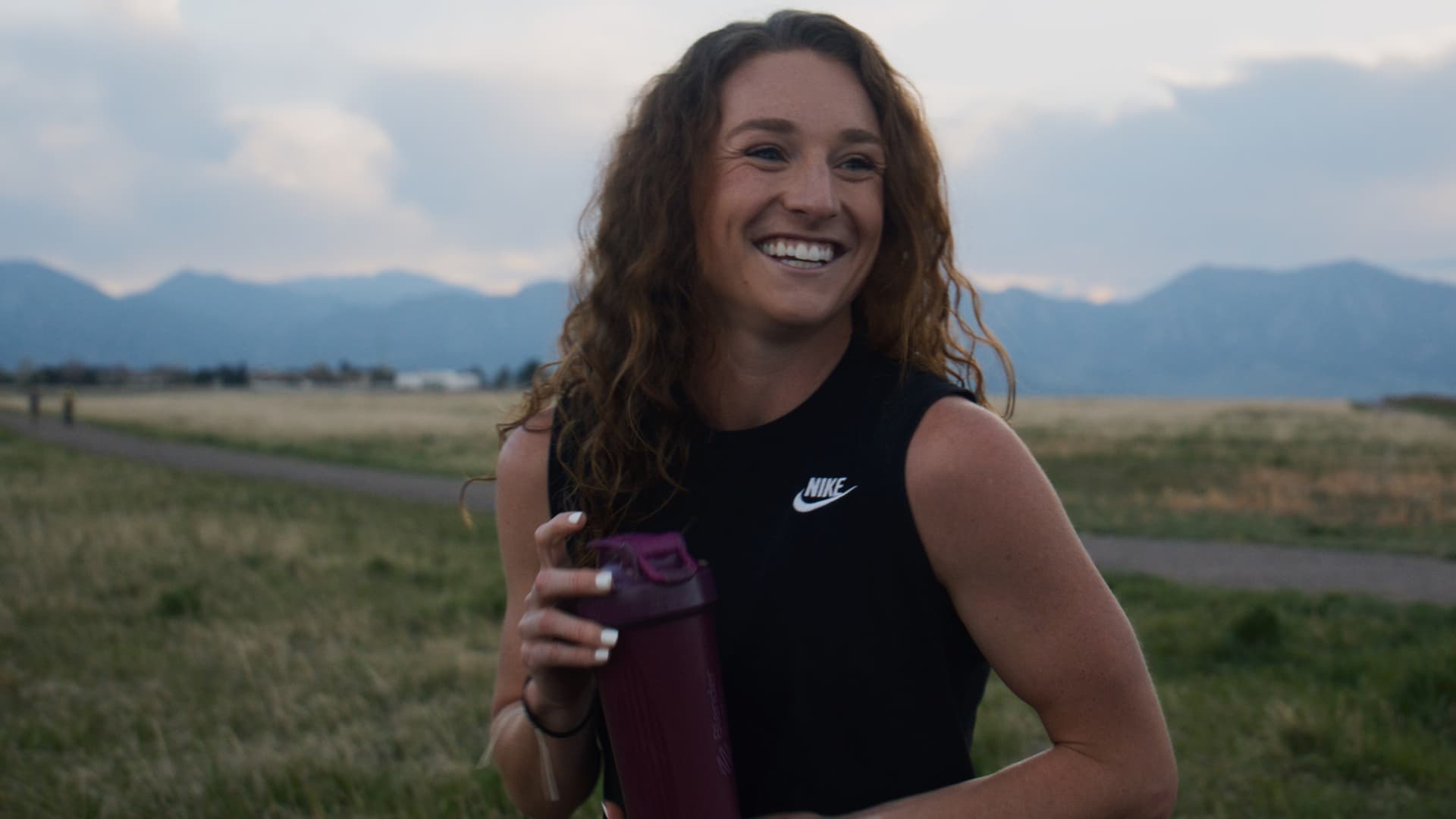
Distance runner
Elise Cranny
Other stories
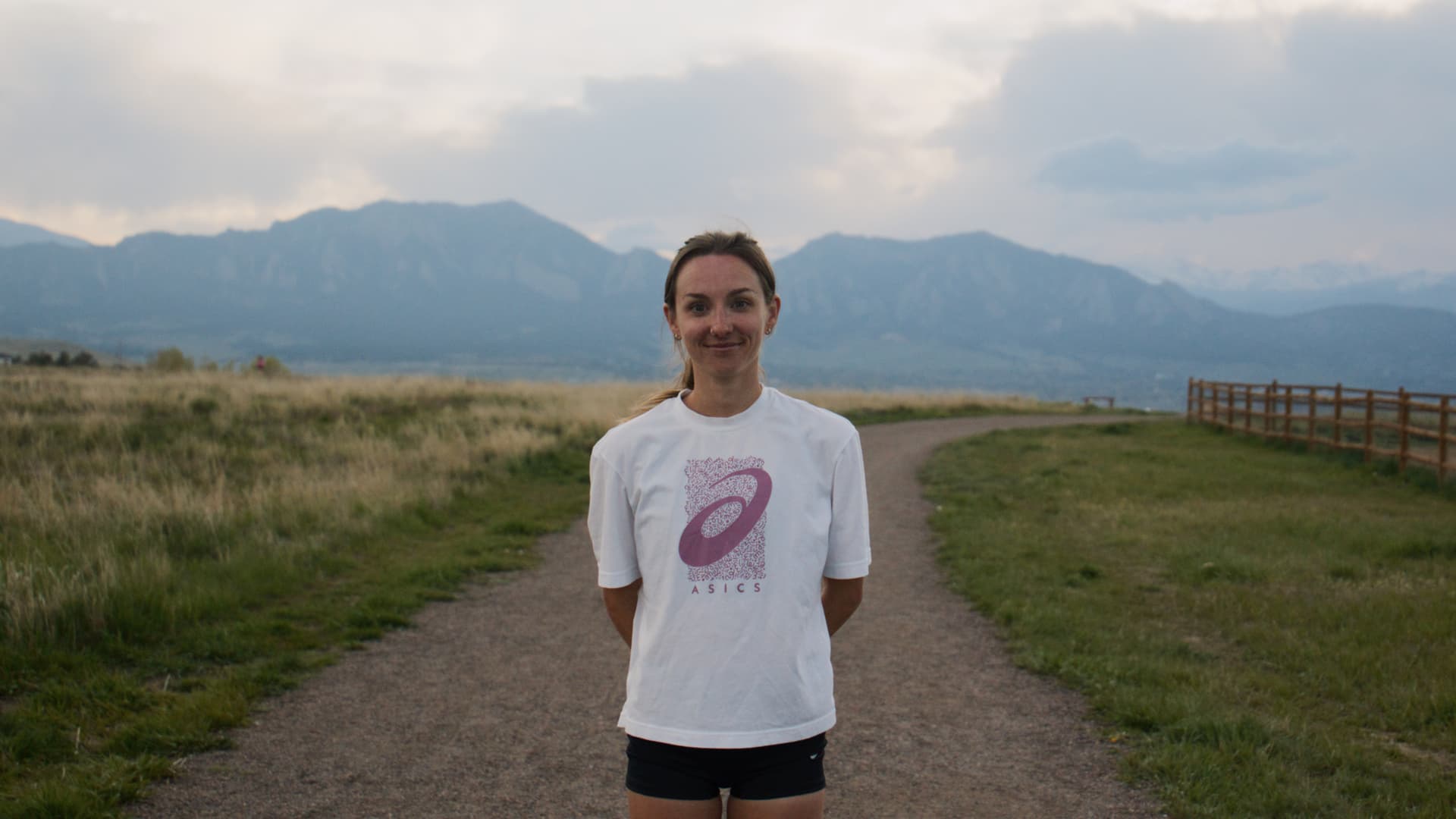
Distance runner
Carrie Ellwood

Distance runner
Austen Dalquist
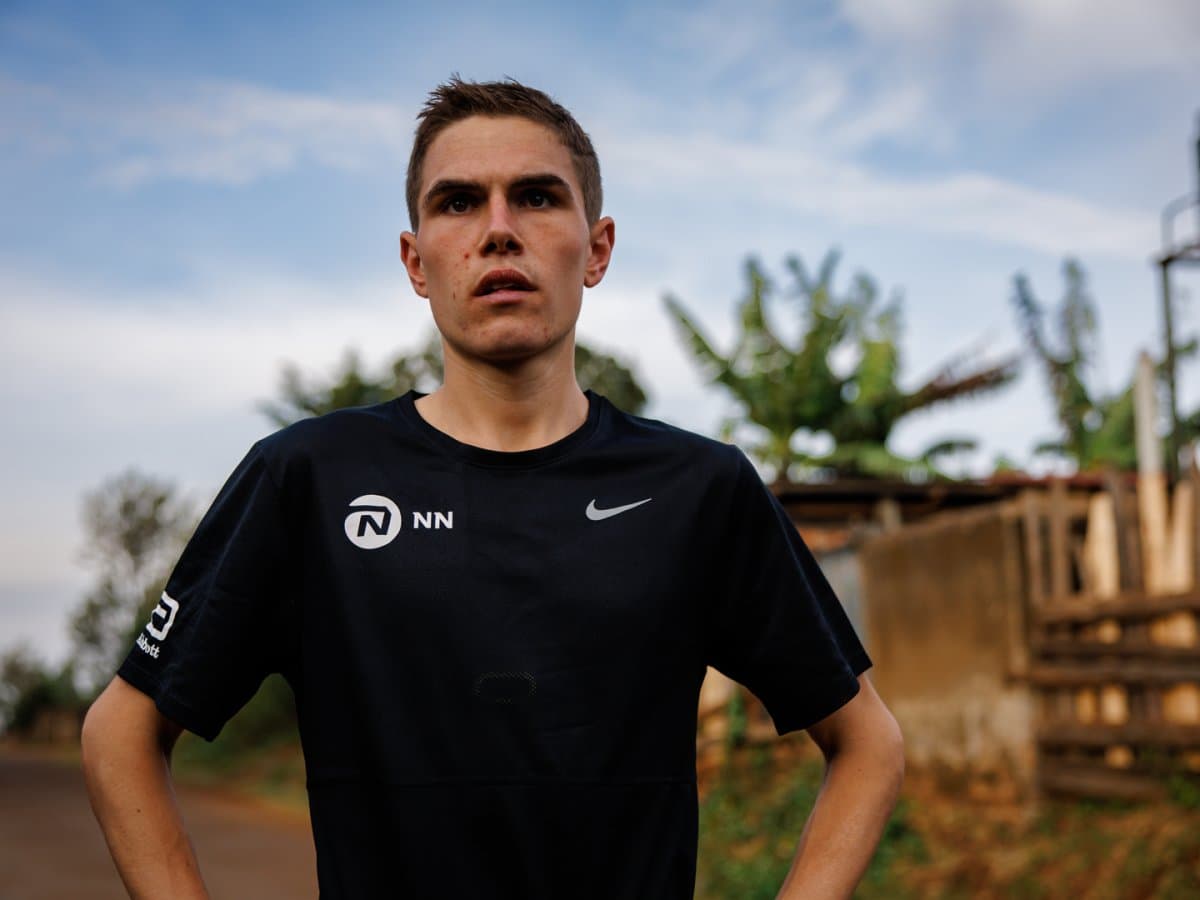
Distance runner
Jake Smith



Athlete & Supporter Resources
These toolkits are designed to be shared. Print them, send them in your team WhatsApp chat, or put them up in your club room, gym, or school noticeboard to help more athletes learn about REDs

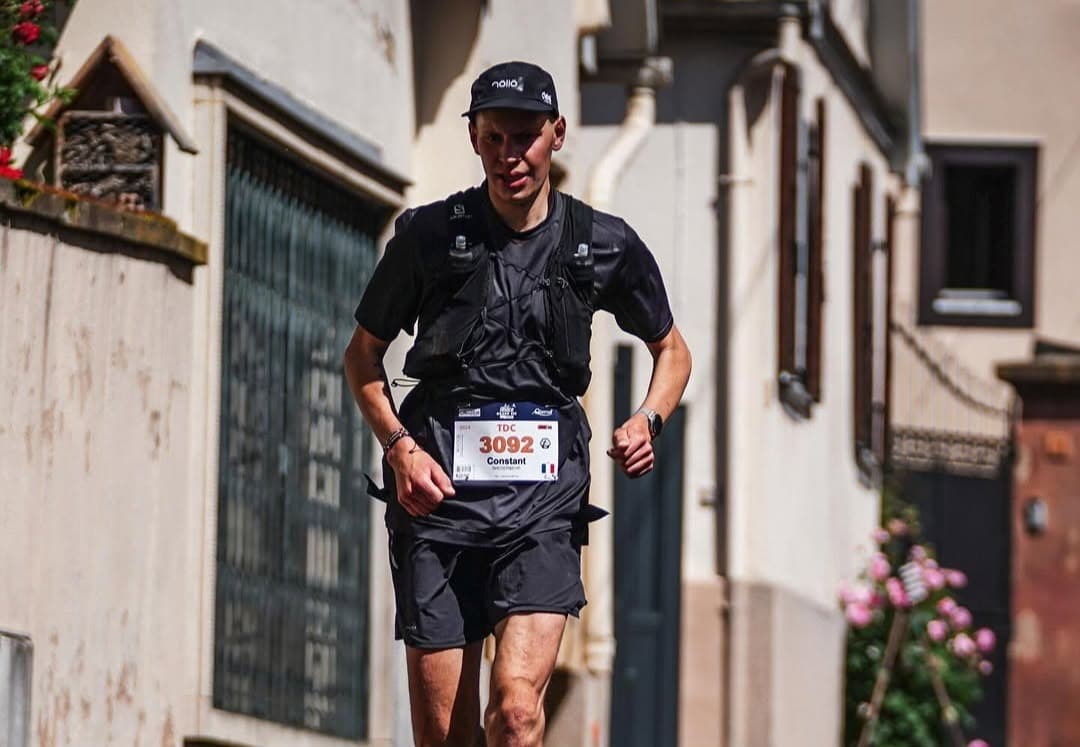





Athlete Essentials


Get Answers
Frequently Asked Questions
Common questions about REDs answered by athletes and experts who understand the journey.
REDs (or REDs), short for Relative Energy Deficiency in Sport, refers to a condition where there the body doesn't get enough energy to meet the demands of exercise on top of essential daily functions such as growth, respiration, and digestion. Regardless of how this imbalance occurs (see "What causes REDs? below"), it can lead to severe and long-lasting health problems. These can include reduced bone density, impaired reproductive function, suppressed immune system, impaired cognitive function, depression, and anxiety. Athletes, specifically, face a increased risk of injury, prolonged recovery, and a decline in performance.
Almost any active person, regardless of their age, gender, participation level, ability, body shape, or size, is at risk of REDs. Those who participate in endurance sports, which emphasise a strength-to-weight ratio, increased drive for leanness, and high training volumes, alongside activities with a focus on aesthetics, such as dance, are thought to be at greater risk.
REDs is sometimes considered an ‘elite athlete problem’, yet competitive or recreational athletes face their own challenges of demanding work or academic lives, along with typically having less time and resources to dedicate to optimal nutrition and rest than pro-athletes.
REDs occurs when an individual consistently consumes insufficient calories for their energy expenditure, either knowingly or unknowingly. Some common factors that may contribute include:
Intentionally or unknowingly restricting calories or certain food groups in an attempt to change body composition without professional guidance or supervision
Underestimating the energy requirements of exercise, which is particularly common in endurance sports
Increasing training frequency/duration/intensity without increasing calorie intake
Insufficient carbohydrate intake, which can mimic the effects of an overall energy deficit
Poor timing of energy intake throughout the day, as within-day deficits can be just as detrimental as overall deficits
As a result of disordered eating or exercise behaviours*, or a clinical eating disorder
Suppressed appetite or gastrointestinal issues surrounding training, leading to less food consumption. This can be both a cause and consequence of REDs
Life changes such as moving somewhere new, starting university, increasing active travel on foot or by bike, and striving for a 'healthier' lifestyle
*Disordered eating or exercise behaviours are often accompanied by some level of denial and can therefore be tricky to detect, either in yourself or others. It's so important to be honest with yourself and to seek support as soon as possible since early intervention increases the chances of preventing or minimising any physical or psychological health complications.
Every case of REDs is complex and unique, but there are a number of common signs and symptoms to look out for. The REDs CAT 2™ Clinical Assessment Tool (CAT) serves as a valuable resource for exploring these further, ideally in consultation with a medical professional. Physical indications of REDs often encompass a combination of the following:
Physical symptoms
Unexplained fatigue/low energy
Recurrent or persistent injuries (both bone and soft tissue)
Recurrent or persistent illness (e.g., coughs, colds, infections)
Decreased training adaptation
Stagnation or decline in performance
Missing or irregular periods when a regular cycle had previously been present (secondary amenorrhea)
Menstrual cycle has not started by age 15 (primary amenorrhea)
Low libido (in males and females)
Loss of morning erections among males
Feeling cold a lot of the time
Appetite changes (either being less hungry or more hungry)
Psychological symptoms
Increased irritability, poor concentration, and depression
Unwillingness to take rest days, including continuing to train when in pain or fatigued
Anxiety around meal times or avoidance of eating certain food groups such as carbohydrates or fats, or feeling the need to ‘earn’ food
Body dissatisfaction: negative thoughts about one's body or an untrue belief that changing its size/shape will result in performing better or feeling happier
Disordered eating or an eating disorder
The Female Athlete Triad, initially identified in the 1990s and primarily observed in female athletes, consists of three interconnected parts: low energy availability (with or without disordered eating), menstrual dysfunction (such as irregular or missing periods), and decreased bone mineral density. Over time, research revealed that low energy availability affects males and those who don't necessarily identify as 'athletes', as well as having detrimental effects on almost every bodily system. So, in 2014, the International Olympic Committee introduced the term 'Relative Energy Deficiency in Sport' (REDs) to encompass broader range of individuals and bodily systems impacted by low energy availability. They updated this consensus statement further in 2023, changing RED-S to REDs "for improved comprehension and dissemination".
Working with