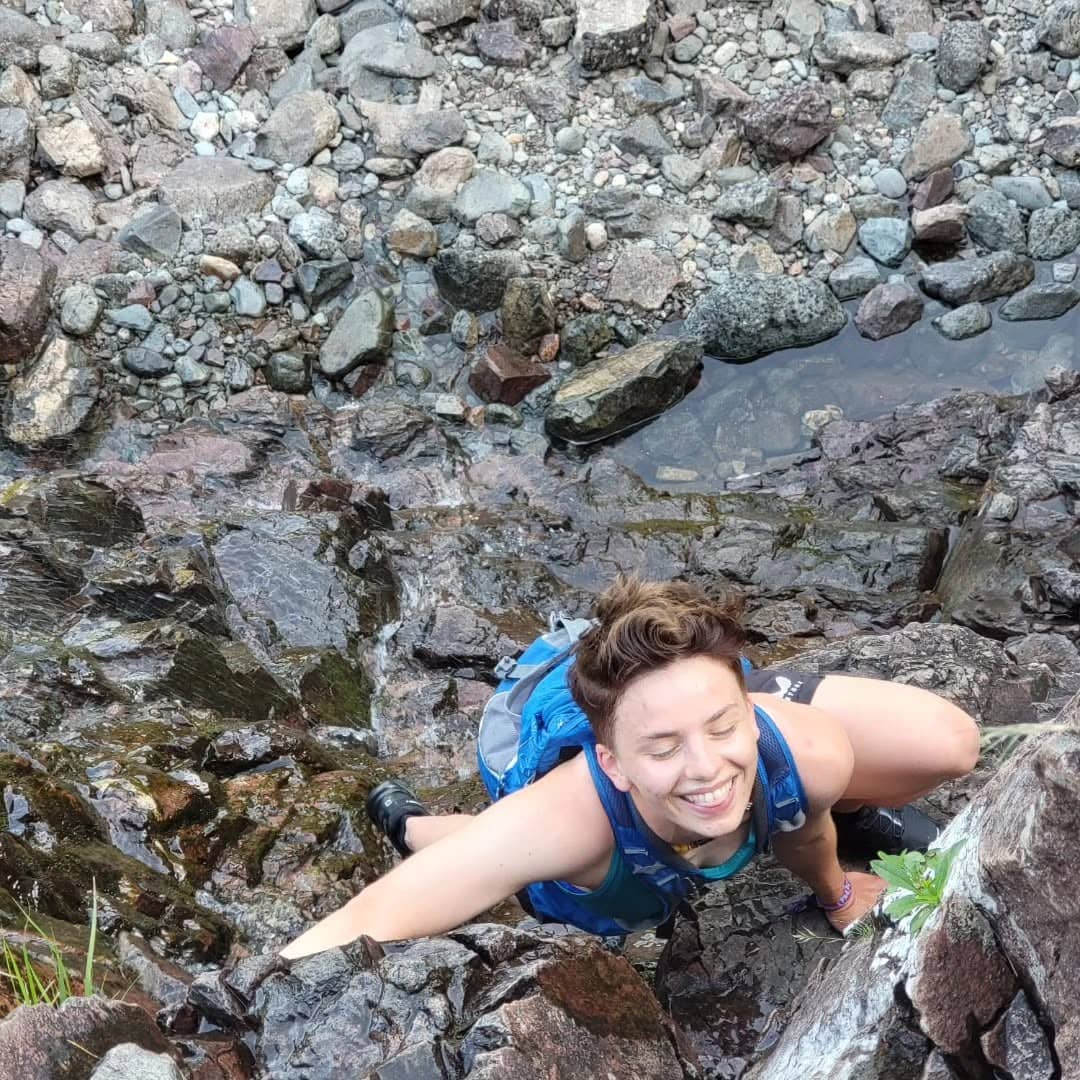
Fighting Fit, or Fighting My Body?
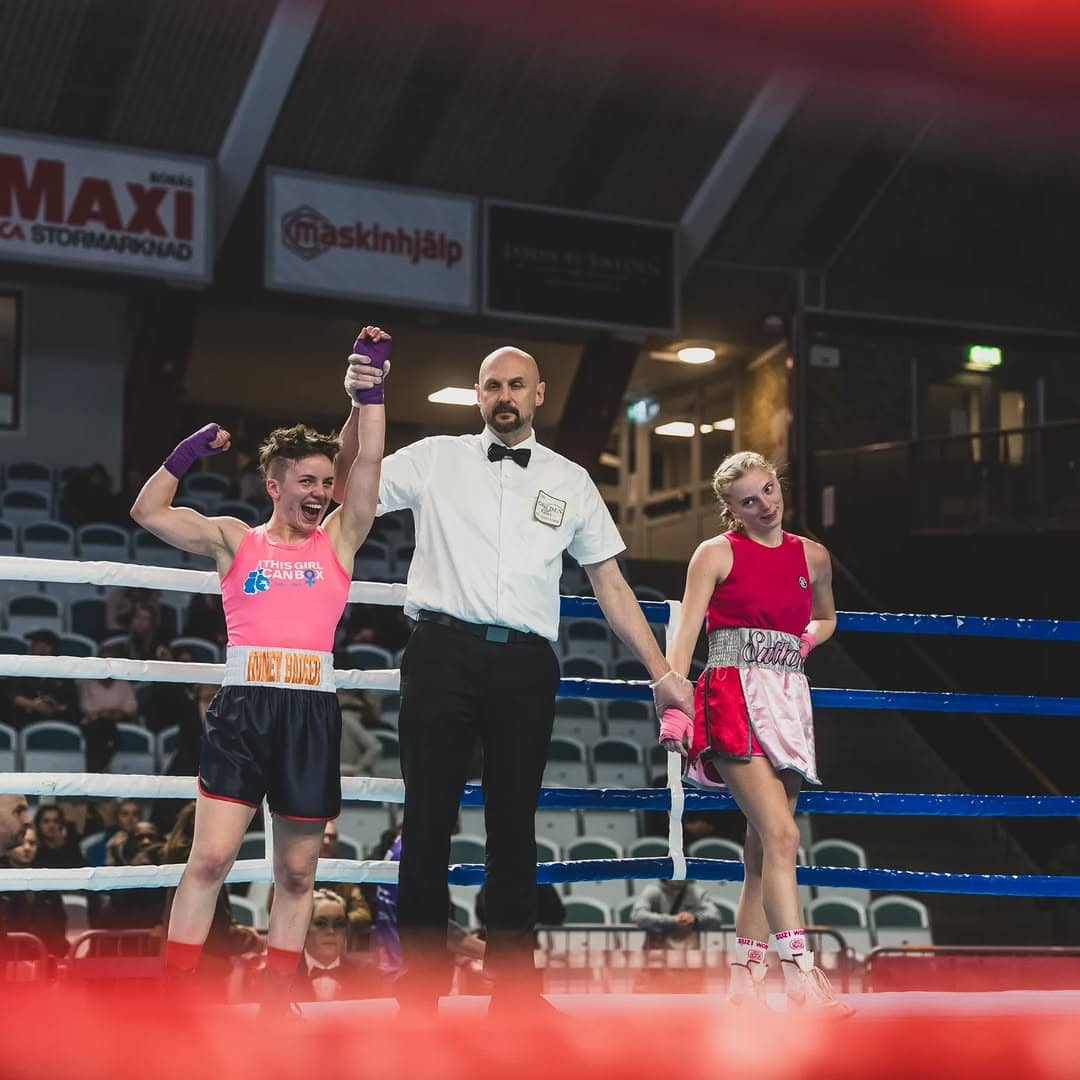
By guest writer and Project REDs ambassador, Amber Leigh
When I first walked into a boxing gym at 24, I adopted the same mindset I’ve had with every project in my life; it’s all or nothing. It took around 12 months to learn the basics and build the fitness I’d need for a competitive bout, and when that time came, it made sense to compete at the lowest weight possible. I’m short in stature, athletic and disciplined, so why wouldn’t I be a 48kg boxer? In the two years that followed, the answer to this question became apparent.
Chasing the lowest weight
My first competitive season took off quickly, with 7 fights in around 12 weeks, which meant sticking close to my fighting weight. As a result, my daily calorie intake was low, and I tried to cut out fat from my diet where possible. After most sessions I’d feel exhausted and some weeks I wouldn’t have a rest day, but I told myself it was part of the sport I had chosen and I needed to push through it. I missed around 6 periods but didn’t accept this as a sign from my body that I was overtraining and under-fuelling.
The warning signs
I started to run into problems with breathlessness and poor recovery which turned out to be low iron levels. This was the first wake-up call I took notice of that I was depriving my body, and I addressed it with changes to my diet and slightly higher calorie intake. It was 9 months before I competed again, during which time my body weight was a bit higher and my periods returned.
Performing, but struggling
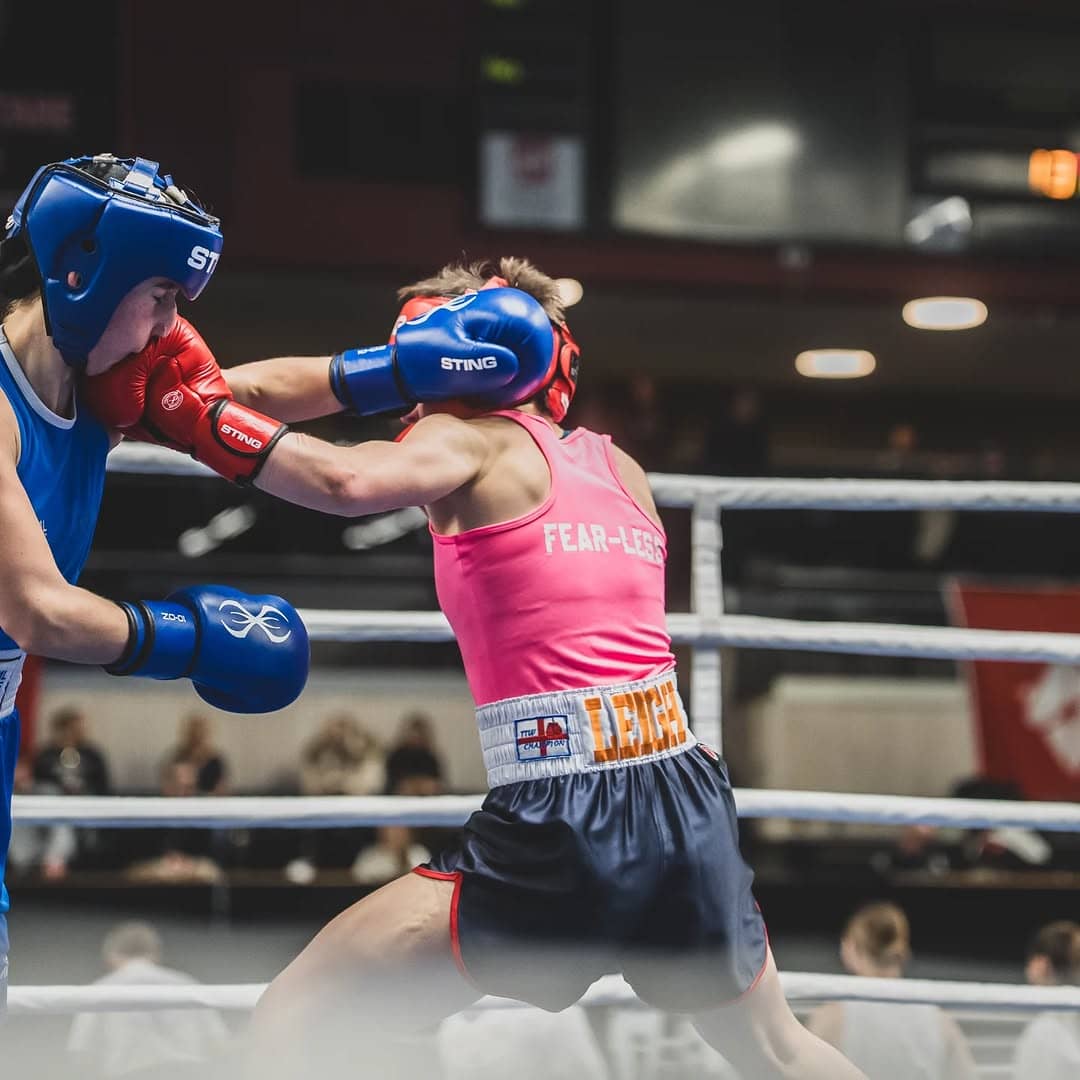
In my second season I was confident that I had the formula for competing at 48kg whilst maintaining my health, but hurdles were still in my way. My periods would be late, especially when cutting weight for a fight, and I’d struggle with extreme fatigue, low mood, frequent colds, cravings for junk food, and occasionally collapsing when pushing myself too hard in training. However, I was performing well in fights, and believed that because I was still having periods, my body was handling the load.
A glimpse of health
In the break that followed this season, I was still training at a moderately high load, but allowed myself to consume more calories and be closer to my natural weight.
My periods were more regular and sometimes people would comment that I was ‘looking well’. Reflecting on this time, I can definitely say I had some issues surrounding body image, likely born out of comparing my ‘fighting weight’ body to my ‘natural weight’ body. At the same time, I found it concerning that I seemed to look healthier to others when I was out of a competition phase. Was this a sign that my body was under too much strain at 48kg?
When my body said “enough”
When my third season started in September 2025, I followed a similar strategy, keeping my calories a bit higher to maintain my period, and cutting weight closer to the fight. Despite my efforts, over the following 4 months my body slowly ground to a halt.
At the start of November I picked up a cold and had to ease training for a few days. In preparation for fights at the end of November and start of December, I then ramped my load up again, but my period was more than 3 weeks late, I was feeling physically and mentally flat, and then I picked up another cold. With dogged determination I ploughed on, but following my fights in December I couldn’t bounce back.
Breaking point
My heart rate variability dropped, resting heart rate increased, sleep quality declined, and I was feeling depressed and unmotivated. My body remained in this state of stress for around 5 weeks, despite easing my training load, and at this point I decided to get some blood tests done privately.
The results, typical of a REDs profile, came as a bit of a shock. Despite how I was feeling, I had started to believe it was all in my head, and I didn’t think I fitted the REDs athlete stereotype. Seeing clear evidence that my health had been suffering was what I needed to realise that something had to change."
A hard decision
I have a very close relationship with my coaches, but the conversation of moving up a weight was still a challenging one to have. Part of me felt that I was taking the easy option by not having to diet as strictly, and I was concerned that I’d be too small to be competitive at 51kg.
It really helped that they were positive about the change and, with support from an exercise physiologist I’ve worked with for a while, I was able to accept that it was the best way to compete in the sport I love and protect my long-term health.
Fuelled performance feels different
Being able to consume the calories and carbohydrates I need to fuel my training and recovery has felt so much better. My mental health has improved, and my perception of my body is starting to shift towards seeing it as stronger and healthier.
Another key difference is that I feel able to compete more regularly at this weight, because my body isn’t under the same level of strain. I’m still learning to find the right balance with my training load, often fighting the instinct to do more when recovery is what’s actually needed, but I feel lucky to have the support to do this.
A message to other boxers
From personal experience, being committed and disciplined doesn’t mean overtraining and under-fuelling. There’s a culture in boxing that can glorify suffering – training to failure, ignoring fatigue, and battling to make weight – but your performance and long-term health will take a hit if you ignore the warning signs.
The best version of yourself as an athlete comes from balancing training with adequate recovery, knowing when to push and when to ease off, and giving your body the fuel it needs, without compromise.