Overcoming REDs and Reclaiming My Movement
My Invisible Peak: Overcoming REDs and Reclaiming My Movement
by Ambassador, Eva Carrington
I didn’t know I had a problem until I really had a problem. If you had asked me five years ago, I would have outright denied it. If you panned across my Instagram profile at the time, you probably would have believed me. My feed stands as an archive — a time capsule of when I hit my peak of REDs. It shows a visibly lean athlete, snapping photos of carefully calculated daily meals alongside a packed schedule of sport outings. On the surface, nothing pointed to an issue. Or so I thought.
To truly understand the origins of my REDs, I have to dig a little deeper into my past. REDs is often the pinnacle of a long-brewing problem; it rarely presents like a sudden cold out of nowhere. In my early twenties, I rediscovered my love for exercise. It began with fitness DVDs promising fast weight loss. Coupled with a strict daily calorie limit, I finally shed what I viewed as "teenage flab". When I entered the corporate world after graduating from university, those DVDs were replaced by running and cycling — activities that were easier to sustain. Although I stopped strictly counting calories for a while, the desire to control them lingered in the background for years.
The real shift occurred when I transitioned from fitness to performance. By my late twenties, I had joined the triathlon craze and become an active member of my local cycling club. I was completing 100-mile sportives and running Olympic-distance triathlons, but my nutrition never caught up with my energy output. Suddenly, I found myself surrounded by exceptionally fit people — and there is nowhere to hide when you are in a swimming costume.
The pressure worsened in my male-dominated cycling club, where banter about physique was common. Even so, that club became my second family. Hardly a day passed where I wasn't in the saddle, ticking off milestones or competing in time trials. Yet, deep down, I never felt like I truly belonged. I encountered one injury after another.
Because I believed I was too "big" to be considered a serious athlete, I never sought help. Back then, you never would have caught me calling myself an athlete."
When Covid-19 hit, things took a turn for the worse. I hired a personal trainer to help me get stronger, faster, and finally achieve the physique I had desired for so long — an opportunity to finally feel like I physically belonged. Deprived of training with friends and left with a void outside of work, I filled every single spare moment with exercise. Training became my ultimate time-filler. I would wake up at 5:00 AM to train for an hour, followed by a 5k run or a long walk. Lunch break meant another walk or a quick ride. By the evening, my partner and I would run or cycle again. This relentless cycle continued day in, day out.
My PT instructed me to use a calorie-tracking app. There was little focus on nutritional quality or matching my intake to my output and I trusted him blindly. Macro counting became my tool for reassurance. While I couldn't control the outside world or the anxieties of the pandemic, I could control my food down to the gram.
I became the person who brought her own Tupperware to dinners out, sent coffee back if it contained whole milk, and manipulated variables to ensure I was as light as possible for my PT's check-in days."
I still remember the day everything shattered. During a routine run, my leg began to cramp. I shrugged it off as just another minor niggle, but it grew worse with every single run. I remember texting a physiotherapist friend, asking, "Does this ice spray actually work?" He showed up outside my house and told me directly: "You need to get professional help."
By the time I booked an appointment, it was already too late. Shortly after, I hit a wall where I could barely move. Walking more than 200 metres caused my leg and back to lock up so severely that I had to rest. I dropped personal training entirely and lived in constant pain. The massive void previously filled by exercise was suddenly replaced by food. I went from controlling every single calorie to months of emotional binging on chocolate and crisps.
Eventually, a sports and exercise consultant diagnosed me with REDs. Further investigation also identified a disc bulge as the cause of the severe pain in my back and leg. My cycling friends couldn't comprehend what was wrong. REDs doesn't come with a cast or a bandage; it is completely invisible. The physical and emotional toll remains mostly hidden.
My friends didn't know that I had lost my menstrual cycle, that my hair was falling out, or that I felt constantly cold and irritable. You don’t get "get well soon" cards for REDs. And when you can no longer perform, the sporting community quickly moves on. It forced me to ask a painful question: Are we friends because we cycle, or do we cycle because we are friends?"
What followed was a gruelling five-year rehabilitation journey filled with tears, healing, setbacks, and agonizingly small wins. During that time, I encountered a shocking lack of understanding and support within the NHS. I vividly remember sitting in a spine consultant's clinic, only to be told to "just lie flat on the floor" because experiencing back and leg pain was ‘normal’. I had to learn how to find myself again. How to eat, how to move safely, and how to train wisely. But I also had to learn how to advocate for myself when clinicians tried to fob me off.
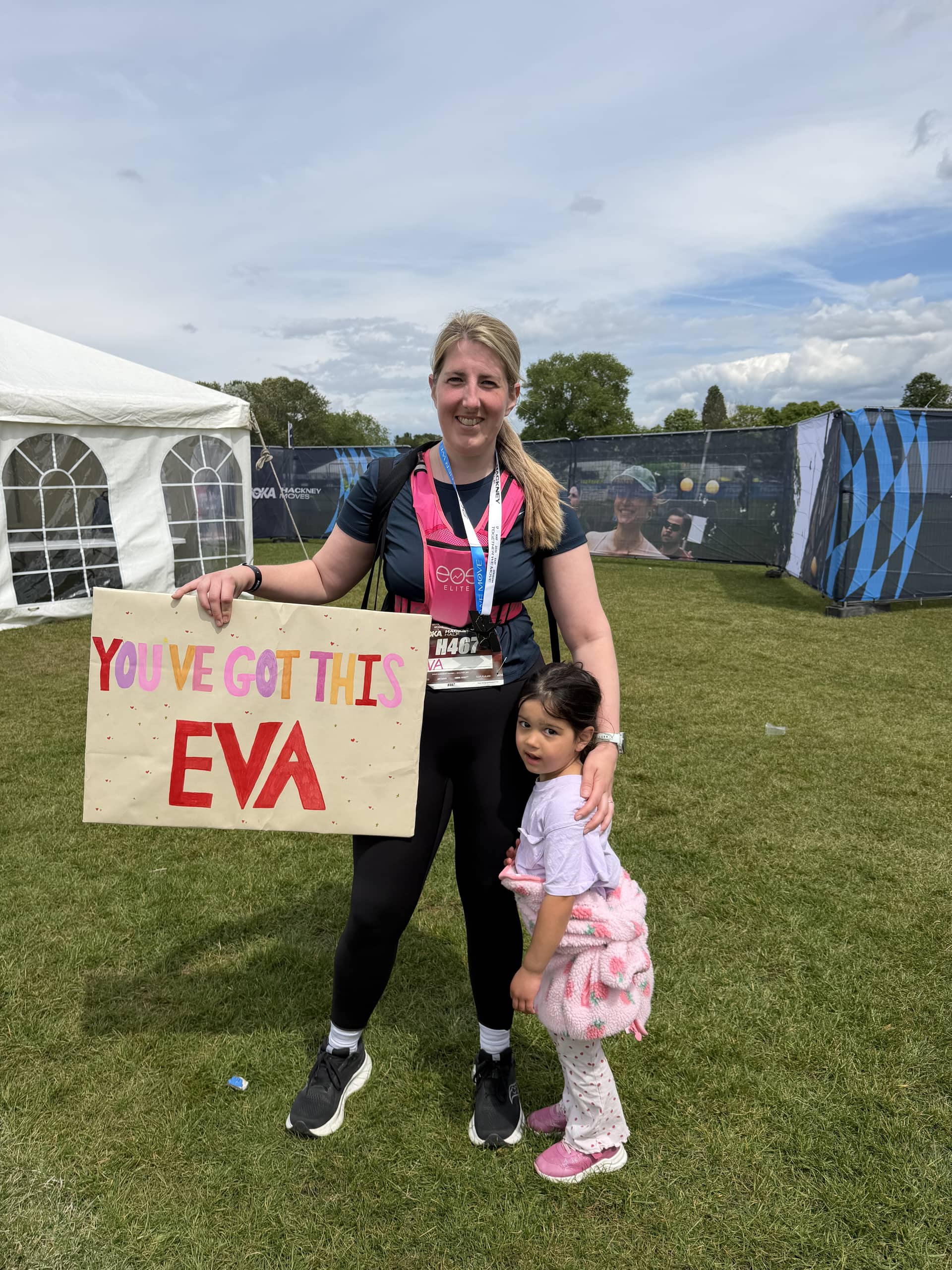
It ultimately took three spinal interventions and over 100 hours of physiotherapy to become pain-free and return to the sports I love. Standing at the start line of the Hackney Half Marathon in 2026 was a deeply profound milestone. It marked my official return.
While I will always be on a journey of recovery, this experience has proven to me that resilience, vulnerability, and seeking the right support can help you overcome any physical obstacle. There is an end to the darkness.