Reasons to Recover (Part 1)
By Founder, Pippa Woolven
There’s a strange paradox in knowing that something is doing you harm, yet finding yourself unable to stop doing it. Even when you’re aware your body is struggling, and you're beginning to recognise that things have gone too far, the thought of altering the behaviours that have brought you to this point can feel completely overwhelming.
I know, because I've been there.
It's been roughly a decade since I decided to recover my health after years of living with REDs. And looking back, I think one of the hardest things was simply being unable to imagine what I stood to gain.
In hindsight, I wish I'd spent a little less time worrying about what recovery might take from me, and a little more thinking about what it could give me. Because, as it turns out, there was an awful lot.
Of course, recovery is rarely as simple as eating more or training less. Addressing low energy availability is fundamental, but there's often so much more wrapped up in it. Your identity, friendships, routines, ambitions, and sometimes even your sense of worth.
So, for those of you who have recently been diagnosed with REDs, suspect you might be struggling, or are finding it difficult to take those first steps, here are some of the things I wish I'd understood when I was trying to find my own reasons to recover.
1. Do it for a future you can't yet imagine
For much of my adolescent life, I'd valued my body almost entirely for what it could do, I didn't spend nearly enough time thinking about what it needed in return.
It took some fairly significant health problems to confront just how poorly I’d been treating it. And I’m ashamed to admit I only really cared about those problems once they started impacting my performance.
I didn’t really pause to consider whether my bones would be able to support me for a lifetime of participation in sport, or whether my cardiovascular health would withstand a chronic energy deficiency. I wasn't particularly fussed about the possibility that my missing periods might affect my ability to have kids someday; that all seemed like a very distant problem for a future version of myself to worry about.
Now, that mindset seems unfathomable. But then, I certainly couldn't have imagined much of the life I have now. I’m married, I'm a mum, I still run - but for very different reasons. I've found so much happiness in things that have absolutely nothing to do with how fast I can run. And there were so many things ahead of me that I couldn't possibly have known about at the time. I'm incredibly grateful that I gave myself the opportunity to experience them.
A healthier body (and mind) gave me a chance to discover new interests and ambitions and I began to build a sense of self that didn't depend quite so heavily on how well I performed. Eventually, my experience with REDs became the foundation for Project REDs: something that has brought more meaning and purpose to my life than I could ever have imagined when I was struggling. So, I think that's something worth remembering when recovery feels difficult.
Bottom line: You might not be able to picture your life in ten years' time. You might not even want the things you eventually end up wanting, but there's a whole life beyond sport and that future is worth protecting (and it can still absolutely involve the sport you love, by the way).
2. Do it to get your freedom back
I don't think I fully appreciated how much of my everyday life had been dictated by running until I started putting my health first, which meant running took a back seat for a while.
There was the training itself, but there was also everything that came with it. The planning, the routines, the constant calculations. How rarely I made a decision without considering its potential impact on my running. How difficult it had become to switch off, be spontaneous, or simply enjoy something without feeling that I should be doing something else.
When everything revolves around training, eating, recovery routines and performance, your world can gradually become smaller without you even noticing.
Sometimes we underestimate just how exhausting it is to live according to a set of rules we've created for ourselves, particularly when even the smallest deviation can bring about persistent feelings of guilt, stress or failure.
Recovering from REDs helped me realise that I didn't need to organise every waking moment around being an athlete. I could be committed to something without letting it dictate every aspect of my life, and that having a little less control over the small things could actually give me a heck of a lot more freedom to enjoy the bigger things.
Bottom line: Recovery isn't just about getting your physical health back, but also the headspace, freedom and spontaneity to enjoy your life.
3. Do it for a healthier, long-term relationship with sport
Perhaps my biggest misconception was that putting my health first would mean giving up on my sporting goals.
Sometimes, stepping away from sport temporarily is necessary in order to recover from REDs. Sometimes, goals need to change and sometimes, recovery leads us towards an entirely different relationship with exercise.
At first, my motivation to get healthy was tied almost entirely to running. I wanted to recover so that I could get back to being the athlete I wanted to be and (feel free to fight me on this) I don't necessarily think there's anything wrong with that being your starting point. If the promise of returning to sport is what helps you take those first steps, that's a reason worth pursuing.
But as I got further into recovery, I started to question some of the things I'd come to believe about what it meant to be a dedicated athlete.
For years, I'd measured commitment by how much I was willing to push myself. I'd become so used to ignoring fatigue and pushing through discomfort - and because those attitudes were so often celebrated in sport, it was easy to mistake them for the qualities of a successful athlete.
But there's a difference between working hard and repeatedly asking more of a body that isn't being given enough energy to support itself.
Now, I still love running - and I still enjoy pushing myself, setting goals and seeing what I'm capable of - but what has changed is my understanding of what it means to be a runner, and what I expect from myself.
I no longer believe that commitment should be measured by how much discomfort I can tolerate. I understand now that adequate fuelling, rest and flexibility are foundations for sustainable participation and performance.
So, while recovery can’t always guarantee a return to the level you once competed at, it can give you the opportunity to build a relationship with sport that doesn't come at the expense of your wellbeing. One that will hopefully allow you to keep doing what you love for many years to come.
Bottom line: Being an athlete should add to your life, not consume it.
4. Do it for the people and relationships in your life
When you're exhausted, preoccupied with food or training, or constantly organising your life around sport, relationships can suffer. And sometimes, it's only when you come out the other side that you realise quite how much.
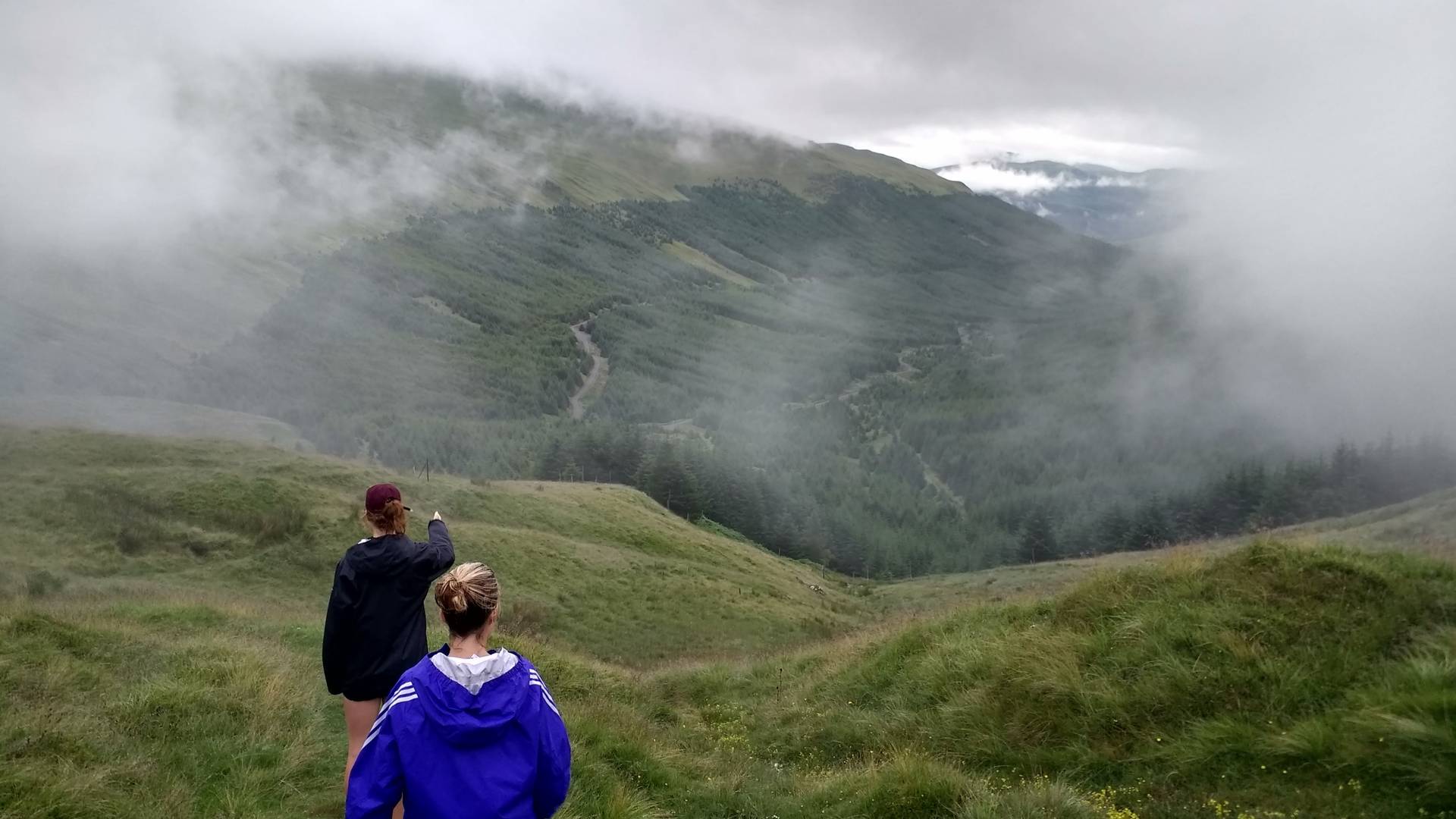
I didn't think I could love and respect my husband any more than I already did, until I experienced life as his partner after recovering from REDs.
When we met, somehow unbeknown to me, my health problems were reaching a peak. I was masking my missing periods with the Pill, my first stress fracture was just around the corner, and so was my slow descent into doomtown, with one disappointing performance after another.
So steadfast was his support that he never once told me I needed to step away from running. But watching him suffer through my inner turmoil, and realising how much of our life together was being shaped by my struggles, was part of what eventually motivated me to make a change.
I just couldn't be the partner I wanted to be while I was so consumed by disordered eating, rigid routines, and the constant emotional rollercoaster of trying to make a body perform when it simply wasn't getting what it needed.
Physically, I was there, of course, but mentally, I was often somewhere else entirely. Worrying about training, replaying another disappointing race, or feeling guilty about something I'd eaten or a session I'd missed. There was very little room left for much else, and I don't think I fully appreciated the emotional weight of all that until I began to recover.
Sure enough, as my health improved, so did my ability to be present. To enjoy a meal without overthinking it; to be more spontaneous, more relaxed, and frankly, more fun to be around. And I began to appreciate just how much we'd both been missing out on.
And now, especially since watching him become a dad, I often think about how much of this life I couldn't possibly have imagined back then. Not really the big milestones, but all the ordinary, blissfully happy moments in between that I might once have been too distracted, exhausted or preoccupied to properly enjoy.
Looking back, I'm beyond grateful that he stood by me through those years, but I'm even more grateful that we've been able to enjoy so many healthier, happier ones together since then.
Bottom line: Sometimes, it's about having more of yourself to share with the people you love.
Final thoughts
So, to anyone who’s still struggling to find your reasons*, I don’t believe you have to feel ready, confident or excited about recovery to begin. I don’t think you need to have some extraordinary ambition waiting on the other side. You don't need to recover to become a better athlete, achieve something impressive, or prove that it was all worthwhile.
Being healthy, having energy, and being able to enjoy your life are pretty good reasons in themselves.
Your body isn't just something you use to achieve your ambitions in sport. It's the body that will carry you through every other chapter of your life too. Please look after it."
*While finding those first reasons to recover can be difficult enough, holding on to them as life changes can present a whole new set of challenges. That’s something I'll explore in Part 2: Reasons to continue recovering.