Recovery is my new definition of discipline
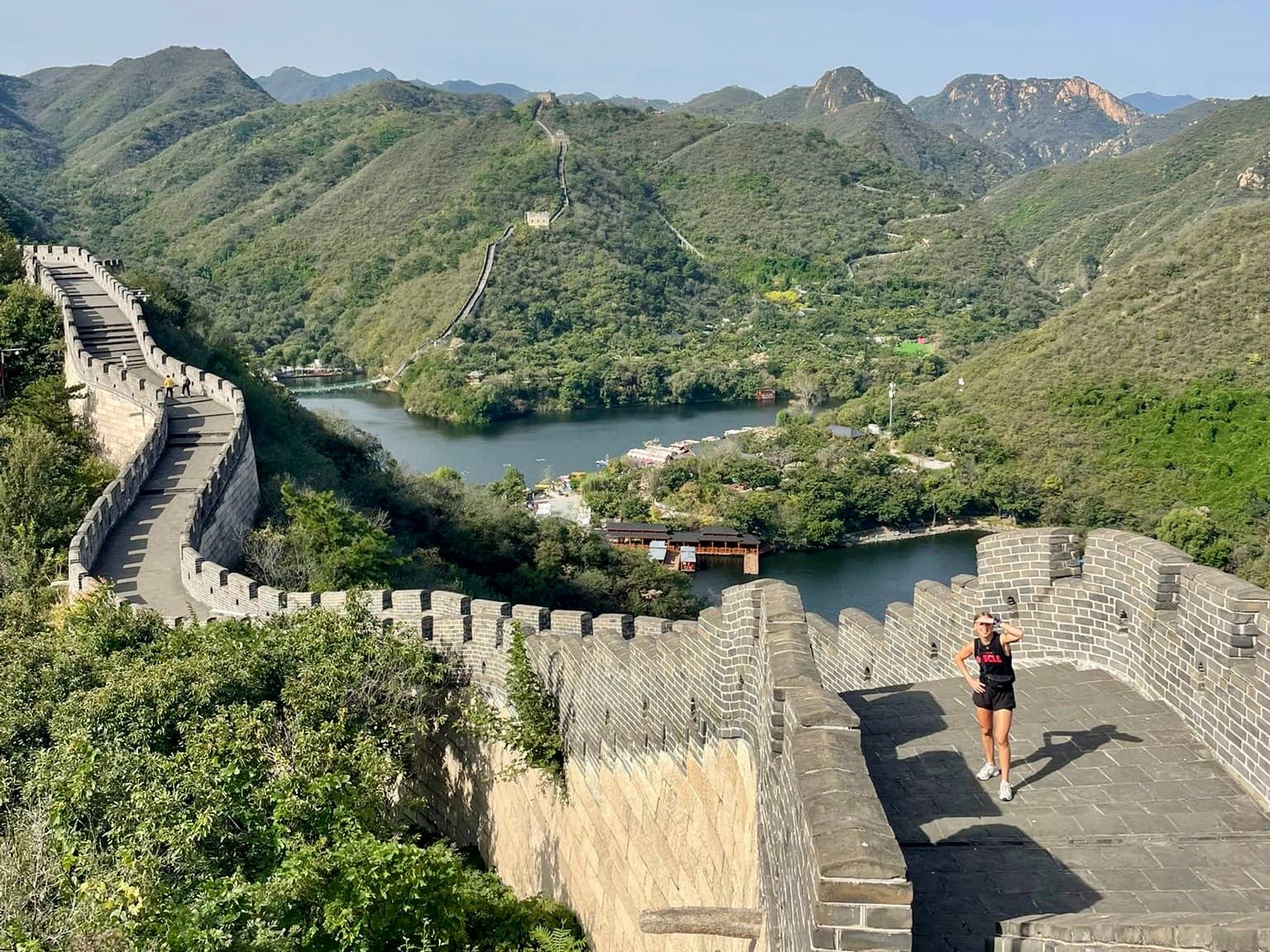
Recovery is my new definition of discipline
By Ambassador, Kim Willekens
2017 was the year I lost my period. At the time, it meant I had finally become disciplined enough, lean enough, fit enough. It wasn't until nearly ten years later that I started to realise what it had really cost me. Deep down, there was always a voice telling me that missing a period wasn’t normal but for a long time I happily ignored that intuition. I felt proud. Proud that my body had become so underfuelled that it stopped functioning.
At least no one could call me “the fat one” anymore. When I turned my life around, I felt like I did everything right. I did exactly what fit-fluencers and the health industry taught me: ate healthy foods and worked out nearly every day and frequently even twice a day. As I moved more, I ate less.
The people around me kept praising my transformation: my dedication and discipline. They were amazed by what I’ve accomplished. Those who once told me I was "too much" now looked up to me. Those who didn’t know the old me were convinced I was blessed with good genes.
What others couldn’t see was that the weight I lost on my body was taking a toll on my mind. I spent every day consumed by an eating disorder, anxieties, body dysmorphia, constant hunger and food noise, and self-hatred.
For several years, no one was close enough to confront me with what was happening, and those who did try had the simple option to stay quiet or be pushed away.
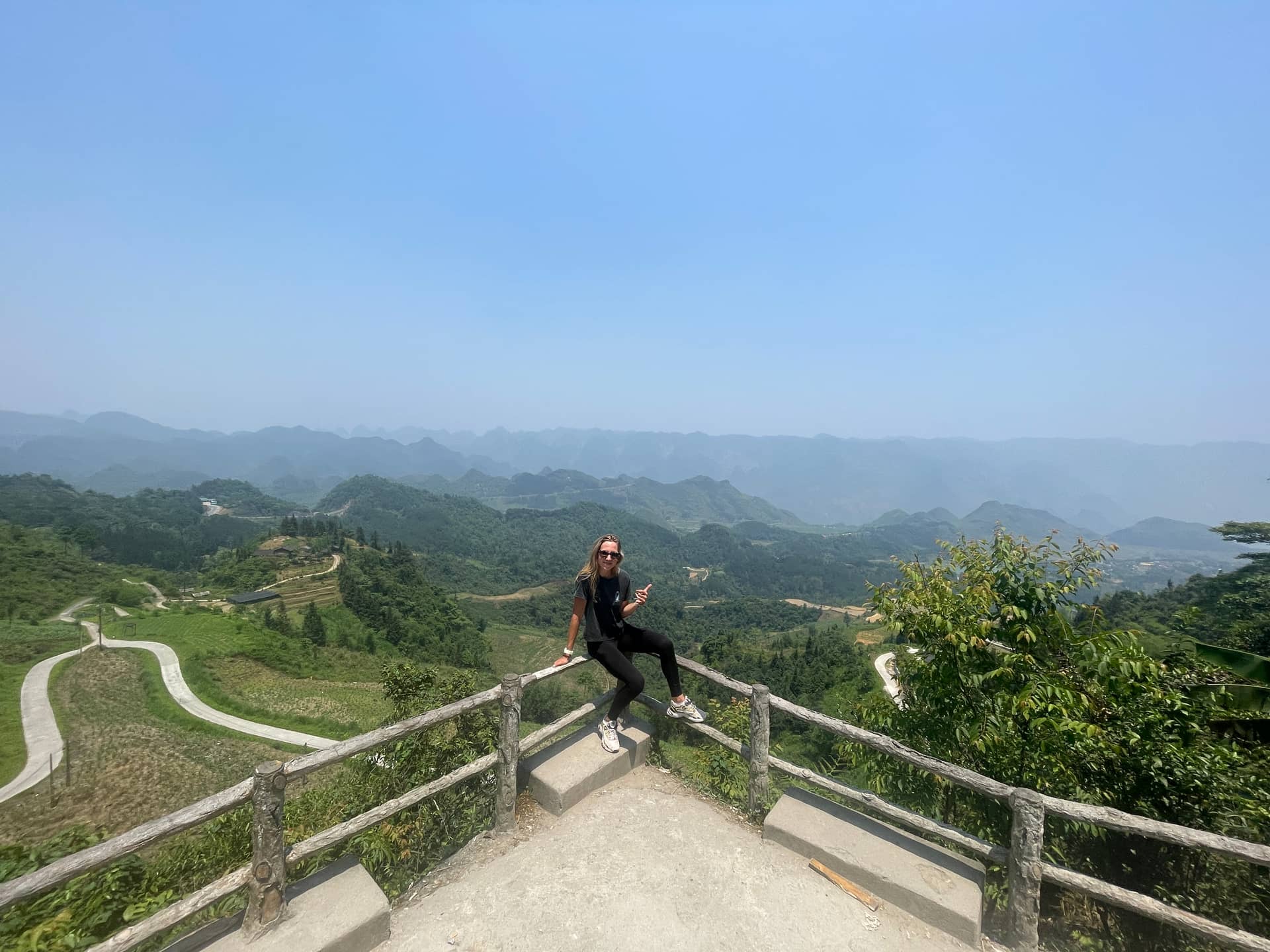
Until I moved to Lombok, Indonesia in 2024. That’s where everything changed.
In just the few months I lived there, I met people who quickly became close to my heart. They were not impressed with my discipline and saw through my defence mechanisms. They dared to confront me with my behaviour and told me frankly:
Kim, this is not okay. This is not healthy and sometimes, you’re not even a nice person because of it.”
As painful as that might have been to hear, it was the trigger I needed to begin breaking down my old belief systems. The inner voice that had always known I wasn’t healthy spoke louder, and this time I didn’t ignore it. I started to educate myself through books, experts and personal stories.
Amongst all the misinformation out there (of which there is an awful lot), I found some amazing resources and experts like Dr. Stacy Sims who always backed everything she said with science and research. I was inspired by how she exposed gaps and blind spots in the science around active women. I started taking all her courses.
It was her Menopause 2.0 course that really caught my eye. The symptoms she was describing felt all too familiar: poor recovery, no progression in training, extreme emotions and mood swings, anxiety, numbness, indecisiveness, constantly tired but wired... and just never genuinely happy. Was I in menopause?
I soon confirmed that I was not. So what was going on? Through her channel, I found more experts in the field, and ended up on Renee McGregor’s page. Reading her books and content opened my eyes to REDs, but I initially assumed I couldn’t have it. I thought REDs only happened to pros and elite endurance athletes, not to someone who “only” worked out two to three hours a day, skipped breakfast and spent years trying to eat as little as possible.
Now, I’ve come to see that differently. I’ve learned that REDs can happen to anyone, and that it happened to me. For me, the biggest impact of the deficiency wasn’t physical. It was mental. I didn't trust my reflection anymore. Or my judgement."
Some days I saw someone too big. Others, someone too small. Some days I ate too much, and some day I barely ate anything at all. The truth was that I didn’t know what I looked like. I didn’t know what a normal plate looked like. I didn’t know right from wrong.
It’s the narrative that I and many others have been taught. That we should eat less, because a woman is supposed to be petite. That losing your period is a reward for training hard and being lean.
To date, these messages are still strongly present in and encouraged by the fitness, diet and traditional health industries. Even my doctor said that losing your period doesn’t matter as long as you don’t want kids.
Looking back, that still maddens me. Not that I developed REDs, but that there were so many opportunities for someone to explain what was happening, and nobody did.
I'm angry that every message around me reinforced the behaviours that caused my illness. Every compliment. Every fitness tip. Every "healthy" meal plan. Every professional who told me not to worry.
Today, recovery has become my new definition of discipline. Discipline is eating enough, and resting enough. It is learning to trust my body again."
Those are now the hardest things I do. But today, I choose to learn what health actually means for me. Not according to the “rules”, but according to my body.