Running for control
Running for control
By Ambassador Ffion Davies
I’ve always been interested in healthy living, and maybe that was part of the problem. Somewhere along the way, I convinced myself that being “healthy” meant eating fewer calories and being less fat. I thought I was looking after myself, but I was doing the exact opposite.
I’ve always loved exercise. Before COVID, I mainly did HIIT sessions then the pandemic came, I moved to university, and I discovered running. It quickly became more than just keeping fit - it was my passion and then it became my obsession.
Despite a great time in my first marathon, it wasn’t enough. I became fixated on a new time goal, and trained harder than ever, constantly chasing the next session or race.
Looking back now, I realise I wasn’t just running to get faster, I was running to cope. It became my way of controlling everything else in my life like university, buying my first house, and planning my wedding,
If life felt overwhelming, I ran. If I couldn’t run, my anxiety would skyrocket. It stopped being something I enjoyed and became something I felt I had to do. One of my memories that makes me the most sad is my honeymoon. Instead of relaxing, I was up at the crack of dawn so I could get my run done. At the time, I thought I was being disciplined but now I realise I was missing moments I can never get back.
Cracks started to show when I developed a tibial stress fracture. My resting heart rate dropped into the low 30s. I barely slept, often waking in cold sweats and working in the middle of the night because my mind wouldn’t switch off. I was constantly cold, stiff and anxious.
I lost my period for five years. My body was desperately trying to tell me something.
As a dietitian, I knew what it was trying to tell me. I knew I needed to slow down, eat more nutrient dense foods, recover properly and switch my mind off but I chose not to listen. Carrying on felt a lot easier than facing the truth. For a long time, none of this stopped me running."
But in September 2025, around four years after that first marathon, something finally changed. Standing at the finish line of the Swansea Bay 10K, I remember feeling completely flat. There was no sense of achievement, no excitement, no energy left. My performances had been declining for months despite training harder than ever. I felt empty.
That was the moment I knew I had to commit to recovery. I won’t pretend it was easy. It was one of the hardest things I’ve ever done. Watching everyone else continue chasing their goals while I deliberately had to pull back was difficult. Especially as I was surrounded by triathletes, for whom training 15 to 20 hours a week was completely normal. It made me question whether I needed to stop.
While I never stopped completely, I changed how I exercised.
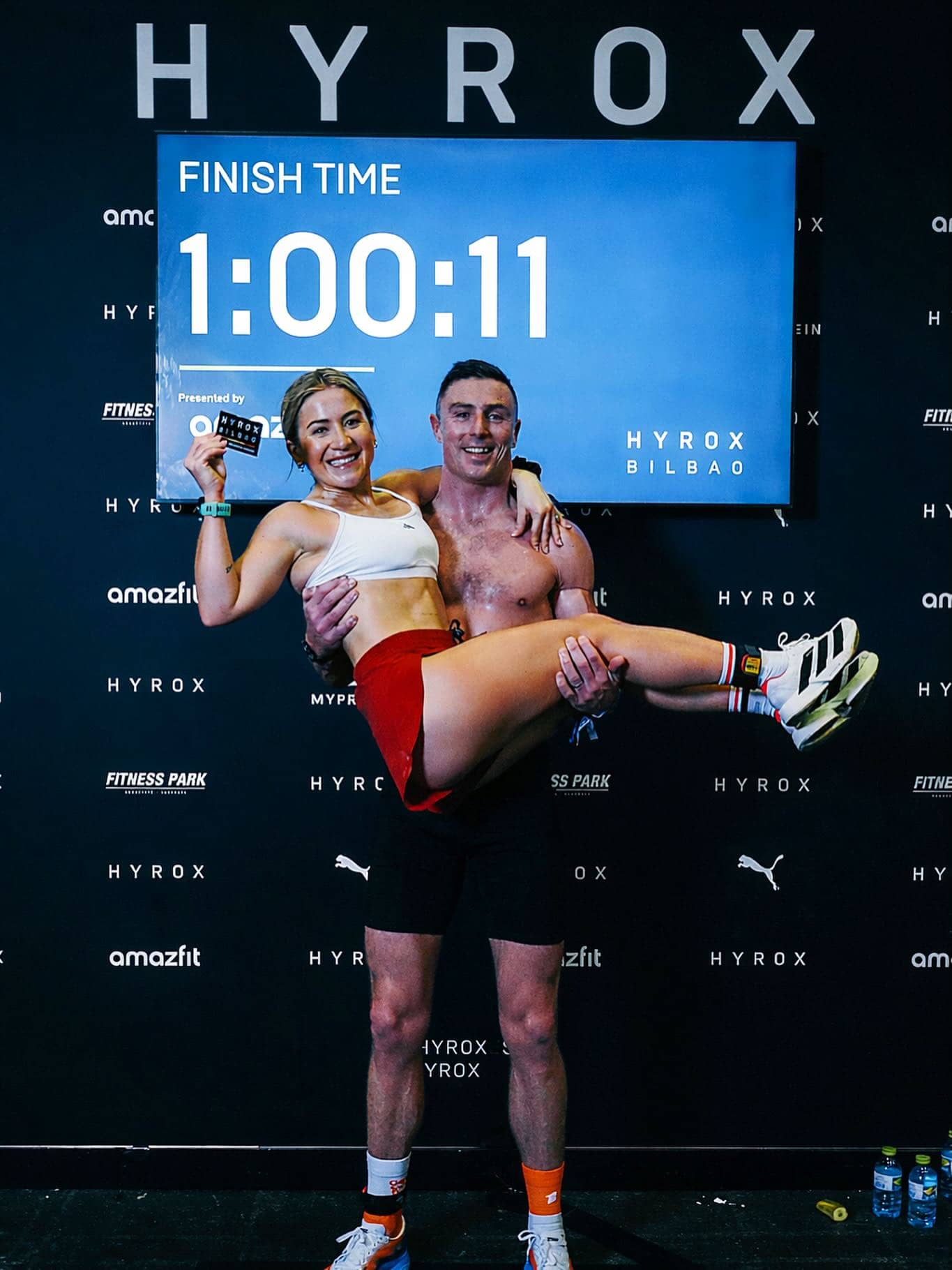
I started doing HYROX classes instead of running, which allowed me to challenge myself without the relentless training volume of endless miles. I reintroduced foods that I had convinced myself to avoid, and focused on fuelling my body instead of restricting it.
Most importantly, I started giving myself permission to rest.
Slowly, both my body and my mind started to recover.
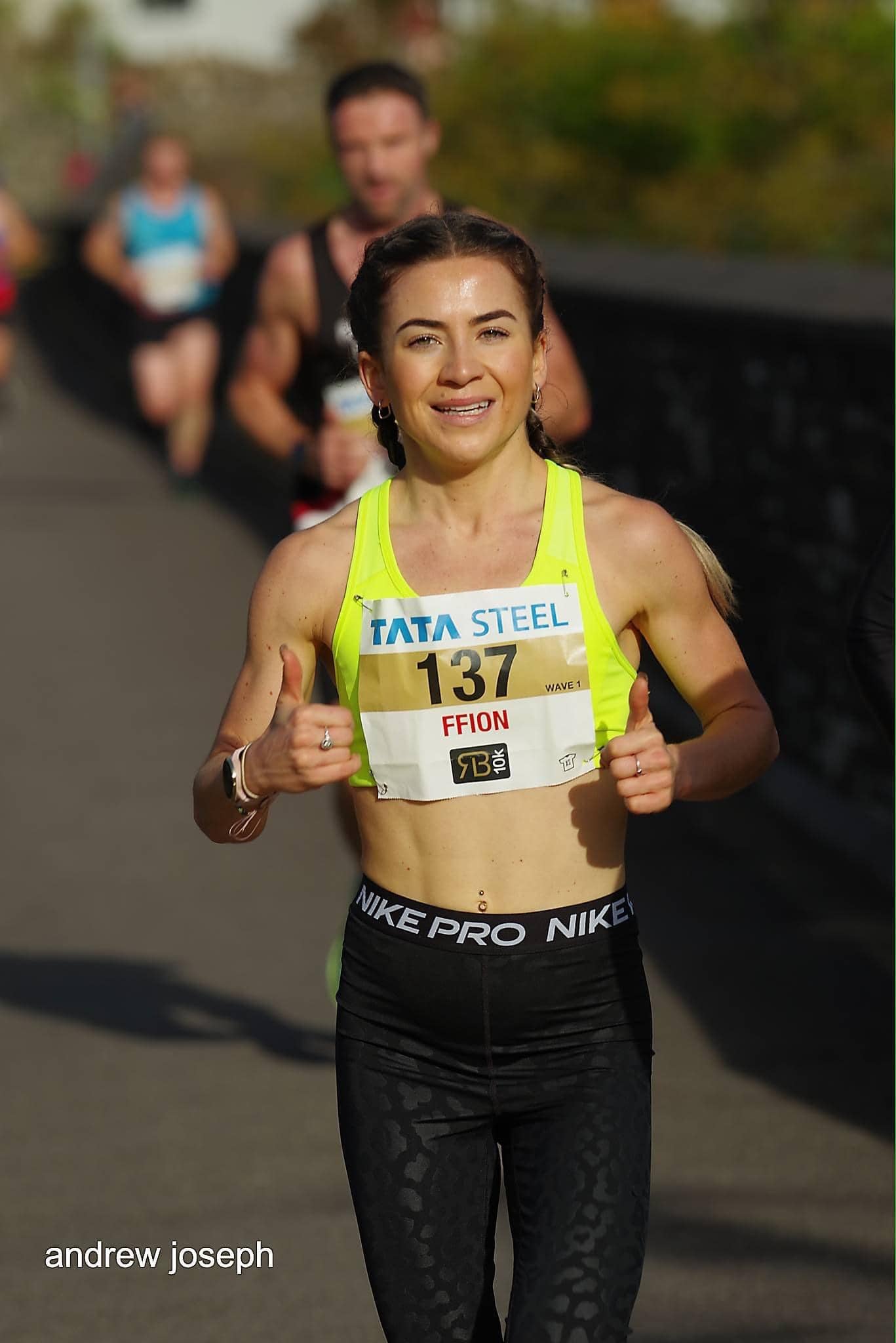
Whilst I strived for health, I now see that I wasn’t healthy. I was just very good at appearing that way. I was lean, fit and performing well on paper, but underneath, my body was shutting itself down.
REDs doesn’t always look how people expect it to. It can happen to anyone, even a dietitian who understands the science. Knowledge doesn’t always protect you when your identity becomes wrapped up in performance."
Recovery has given me so much more than my health back. It has given me perspective.
I want children one day. I want healthy bones. I want to be able to run when I’m 70, not just when I’m chasing a marathon PB. Had I continued on the path I was on, I genuinely believe I was heading towards infertility, osteoporosis and a lifetime of health consequences.