The Part No One Talks About

By ambassador and guest writer Vladya Reverdin
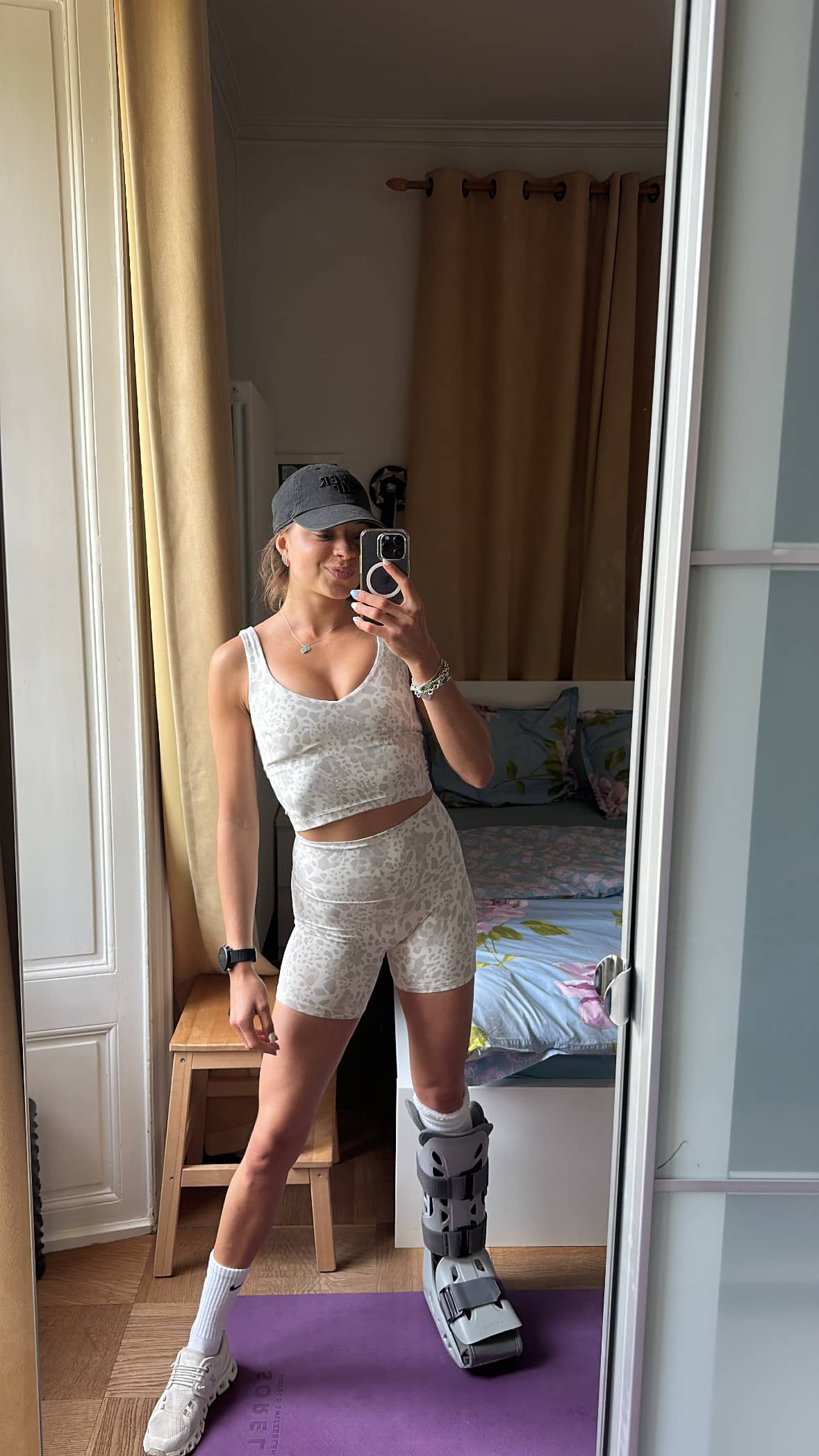
I will always remember the first time I heard I had REDs. I had booked an appointment with a sports doctor after a persistent pain in my right foot which prevented me from walking, let alone running. It turned out I had a stress fracture in my second metatarsal, which was sufficiently severe for a simple X-ray to confirm. Just like that, I was in a boot for six weeks. I was also told my body fat percentage was too low, and I needed to work with a nutritionist to address my disordered eating. I had never heard of REDs before.
But looking back, the signs were there. When I stopped using contraception, my period never returned. I brushed it off at the time, life felt stressful, work was intense, and I had always heard from gynecologists that losing your cycle was a “normal” side effect of exercising a lot. So when the sports doctor broke the news that I had REDs, not only was the term new to me, I was in denial.
I wasn't a professional athlete, nor into endurance sports. I ran once or twice a week at most. In my mind, there was no way I could be in an energy deficit.
How could going to the gym for one to two hours, six days a week, and walking over 12,000 steps a day be a problem? It isn’t if you fuel your body, but I was doing all that, without eating carbs and often skipping a meal. Add stress to the equation and the result is pretty obvious".
It wasn’t until I started working with health professionals that things began to shift. I always knew the way I was eating was not normal and I was often over-exercising, but no one in my close circle ever voiced concern, so I didn’t feel the need to change. And change is hard.
For a perfectionist and someone who loves control, change feels threatening. It took a long time to rebuild my mindset around nutrition and exercise. It also took pushing my body to breaking point to finally listen to my body and accept that change was no longer an option, it was a necessity.
Before, my behaviours were driven by a need to control my body size and, essentially, stay “lean and fit”. Change naturally meant gaining weight, which was one of my biggest fears, having been praised for having a “small-but-strong” figure. Letting go of that identity wasn’t easy.
But this isn’t really a story about diagnosis, or even recovery. It’s about what comes after, the part no one talks about.
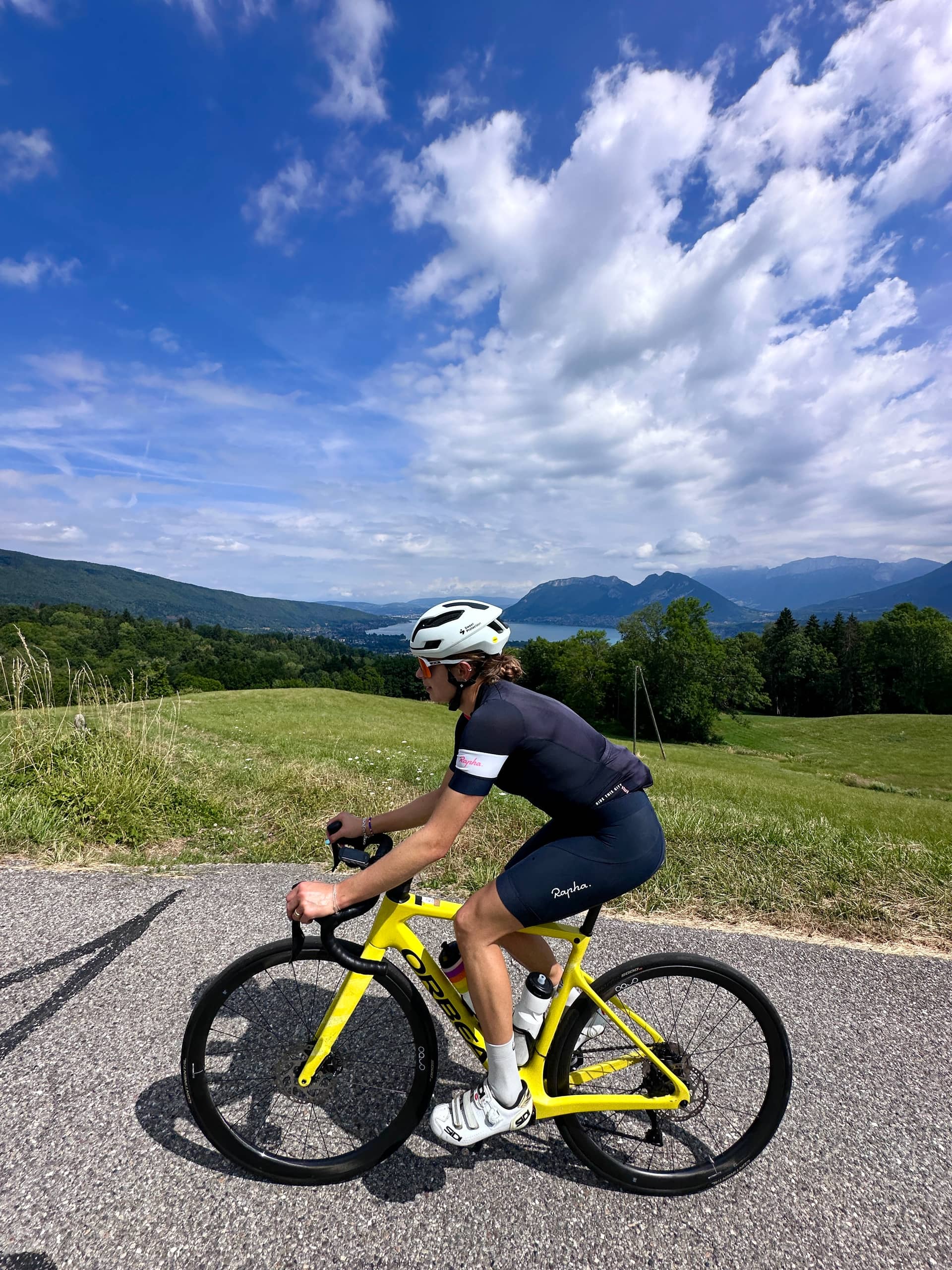
It’s been three years now since I was diagnosed with REDs. Just over a year ago, I started getting my period regularly again (before that, it was sporadic). I’m about 6-7kgs heavier now than when I had my stress fracture. I train more than ever and have even moved into endurance sport, often cycling 16-18 hours a week.
The difference is that now I fuel my body, and it trusts me, which is quite beautiful. Having said that, getting my cycle back came with many challenges that I’m only just learning to navigate".
At first, I didn’t experience noticeable pre-menstrual symptoms (PMS), but over the past few months, things changed. Suddenly, I found myself dealing with mood swings, irritability, fatigue, and emotions that felt overwhelming and, at times, completely out of character. Before recovery, my body felt consistent, predictable. Every day was the same. Every week was the same and training could be controlled to (almost) perfection. Now, it wasn’t.
Learning to navigate a hormonal cycle for the first time has been unexpectedly difficult. Not feeling “in control” of my emotions, having days where my training feels harder, or questioning my strength and fitness has been one of the most challenging parts of this journey.
We talk a lot about how hard it is to recognise REDs. We talk about the difficulty of eating more, resting more, and gaining weight. But we rarely talk about what happens when your body starts working again.
Experiencing monthly fluctuations, both physically and emotionally, can feel disorientating. There are days where I feel stronger, and others where I feel heavier, more bloated, or simply not myself. The luteal phase, in particular, has brought new challenges, like feeling “bigger” due to water retention and bloating, bringing a noticeable shift in how I feel in my body. It has left me questioning what is “real” and what is hormonal. And, at times, it has felt lonely.
I’m slowly learning that this is part of being a woman. That these fluctuations are not something to fight, but something to understand and work with, but I also think we need to talk about it more.
REDs recovery isn’t just about getting your period back. It’s about learning how to live with your hormones, how to train with them, and how to be kinder to yourself when things feel different. If anything, this next phase requires just as much patience, awareness, and support.
So perhaps this is where the conversation needs to go next. Not just how we recover from REDs, but how we support women in what comes after. Because getting your body back is one thing. And learning to understand it is another.
And maybe that starts with small things, like tracking your cycle - not to control it, but to understand patterns. Adjusting training, rather than forcing consistency every day of the month. Fueling more, not less, especially when your body is asking for it. And importantly, talking about it openly, so it stops feeling like something you have to navigate alone".