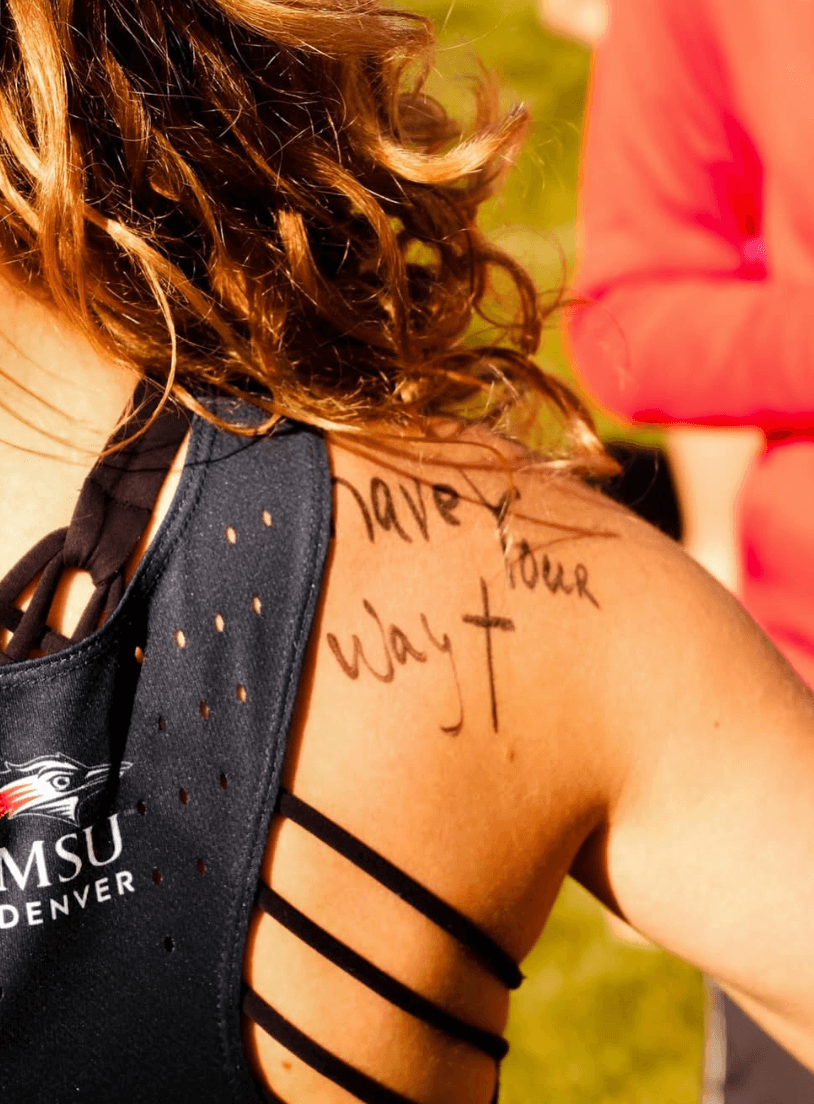
What They Wish They'd Known Sooner

Behind every diagnosis of REDs is a person trying to understand what their body has been asking for.
In the stories below, three athletes share what they’ve learned through their own experiences with REDs, from the early signs they weren’t quite sure about, to the moments that made them pause and start questioning things a little more, and eventually the steps that helped them begin to move forward.
No two journeys look exactly the same. Some were performing well when things first started to feel off, while others were already dealing with injuries or ongoing health concerns, but across all of them there’s a sense of what they came to understand over time.
By sharing that, the hope is that it might make things feel a little clearer, or a little more familiar, for someone else reading. And if any part of their experience resonates with you, even in a small way, we hope it feels like a reminder that you don’t have to figure this out on your own.
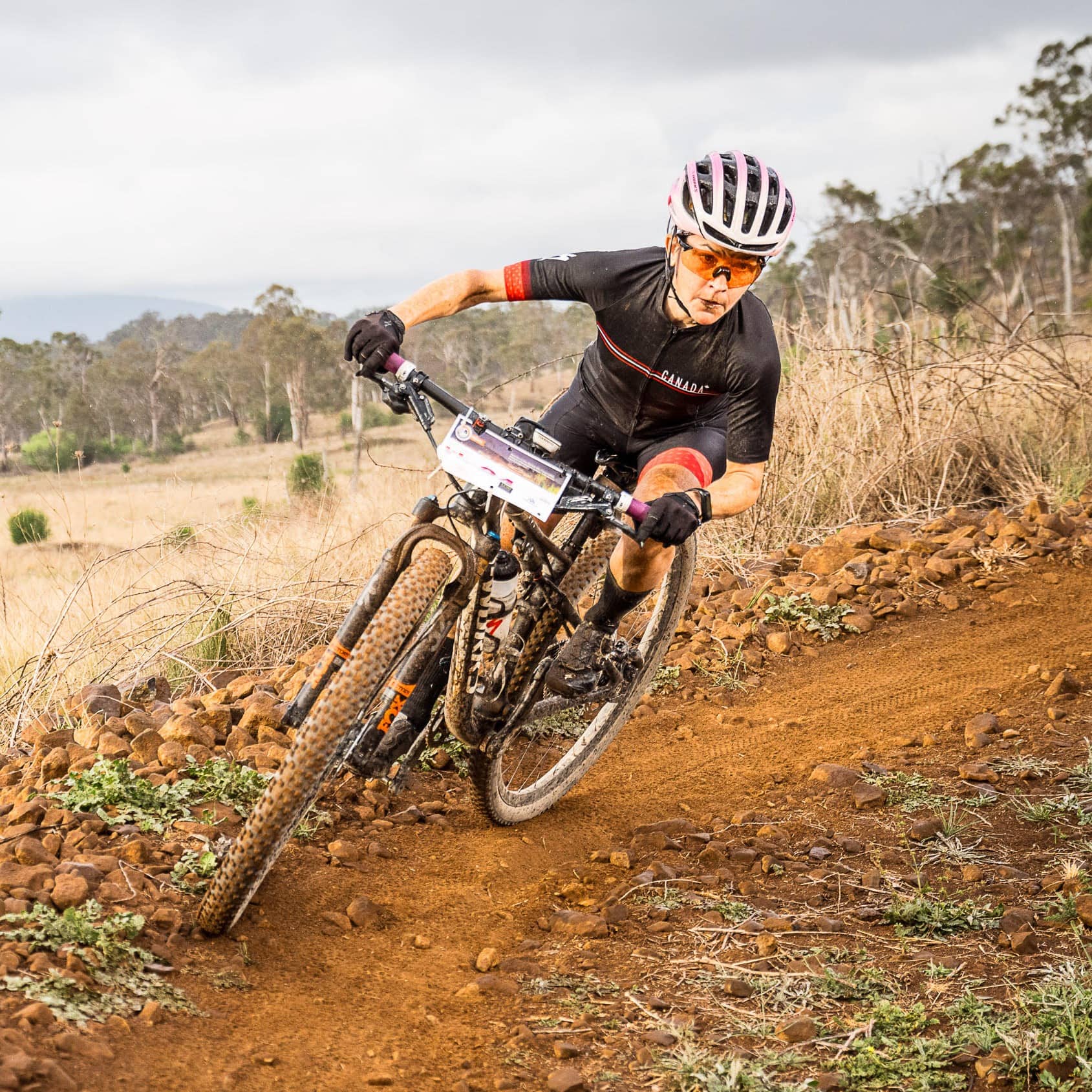
Julie Kelly
Mountain Biker from Canada
Julie’s experience with REDs started long before she was ready to fully accept what was going on.
It was my coach who first suspected I had REDs. He sent me articles and I read them, but I was in denial. My performance was good, I wasn’t getting injured, and I only had a few symptoms, so I didn’t really feel like it applied to me.”
A few years later, things began to shift. She noticed she wasn’t recovering as well from training, and her gut issues were getting harder to ignore. So she reached out to a sports dietitian and was diagnosed straight away with REDs.
She started increasing her intake, both on and off the bike, and gradually began to feel better. Her racing ramped up again and things felt more stable for a while. In 2023, while training for the World Solo 24-Hour Championships in Australia, she felt strong, but found it difficult to maintain her weight. Her blood tests came back normal, which was reassuring at the time.
I thought I was good to go, but on race day, things didn’t quite line up. I didn’t have the power in my legs to keep up. Being the lightest I’ve ever been didn’t help. It ended up being my worst result at Worlds.”
That race became a bit of a turning point. Julie decided to seek more support, working again with her dietitian and also with a Clinical Counsellor, where she started to unpack some long-held beliefs around food and performance. Since then, things have felt more steady. Her weight has stabilised, her gut health has improved, and she’s returned to stronger performances, alongside a much healthier relationship with fueling.
Julie’s advice: “Don’t be afraid to ask for help. Try to get answers from different people, and if something doesn’t feel resolved, keep asking questions. You don’t need to have every symptom for it to be REDs. Sometimes even one is enough.”
Paige Tack
Runner from the USA
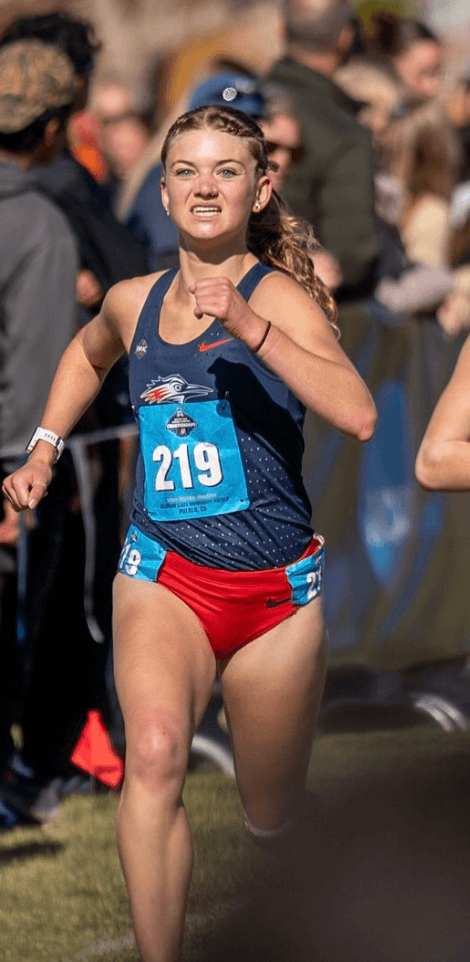
Paige Tack is an all-American runner who transitioned from sprinting in high school to distance running in college, without guidance on how her fueling needed to change.
In 2021, she placed 19th at the NCAA Division II Cross Country Championships, one of the best moments of her life. But underneath that achievement was a reality she didn’t yet understand. Her breakthrough performance was built on underfueling and overexercising.
It felt like it was working at first. But it was only the honeymoon phase.”
Over the following years, she experienced secondary amenorrhea, stress fractures, torn tendons, and hypoglycemia. Many races ended before they had properly begun. After several unfinished competitions, she saw a sports medicine doctor who formally diagnosed her with REDs. Although she began restoring her weight, she recognises the long-term consequences of that period.
I had fallen for the myth that lighter is faster. I would trade any medal for a college career free from the health issues caused by REDs.”
Looking back, she believes access to a registered dietitian could have changed her trajectory, protecting both her health and development. Now, she is pursuing becoming a registered dietitian herself in a bid to become the person her younger self desperately needed.
Paige’s advice: “You can’t outperform underfueling. So please, don’t try.”
Patricia Erickson
Marathon Runner from the USA
In 2023, Patricia was diagnosed with a grade 2 bone stress injury in her femur and femoral neck. A sports medicine physician diagnosed me her didn’t really offer additional help or resources.
Having read about the link between bone health and nutrition, she booked an appointment with a sports registered dietitian. She spent six months not running and her recovery wasn’t linear. During that time, she experienced anger and embarrassment, feeling as though she had caused the injury herself.
Patricia worked with physicians, physical therapists, and dietitians to rebuild gradually. When she returned to running, she felt not only physically stronger but more informed. She emphasises that the learning process is difficult to fully explain unless you have experienced it firsthand.
Patricia’s advice: "Having a support team, both medical and friends, is crucial. Connecting with people who have been through it is instrumental. So find a team that fully supports you and believes in you.”