What REDs taught me, by Paige Tack
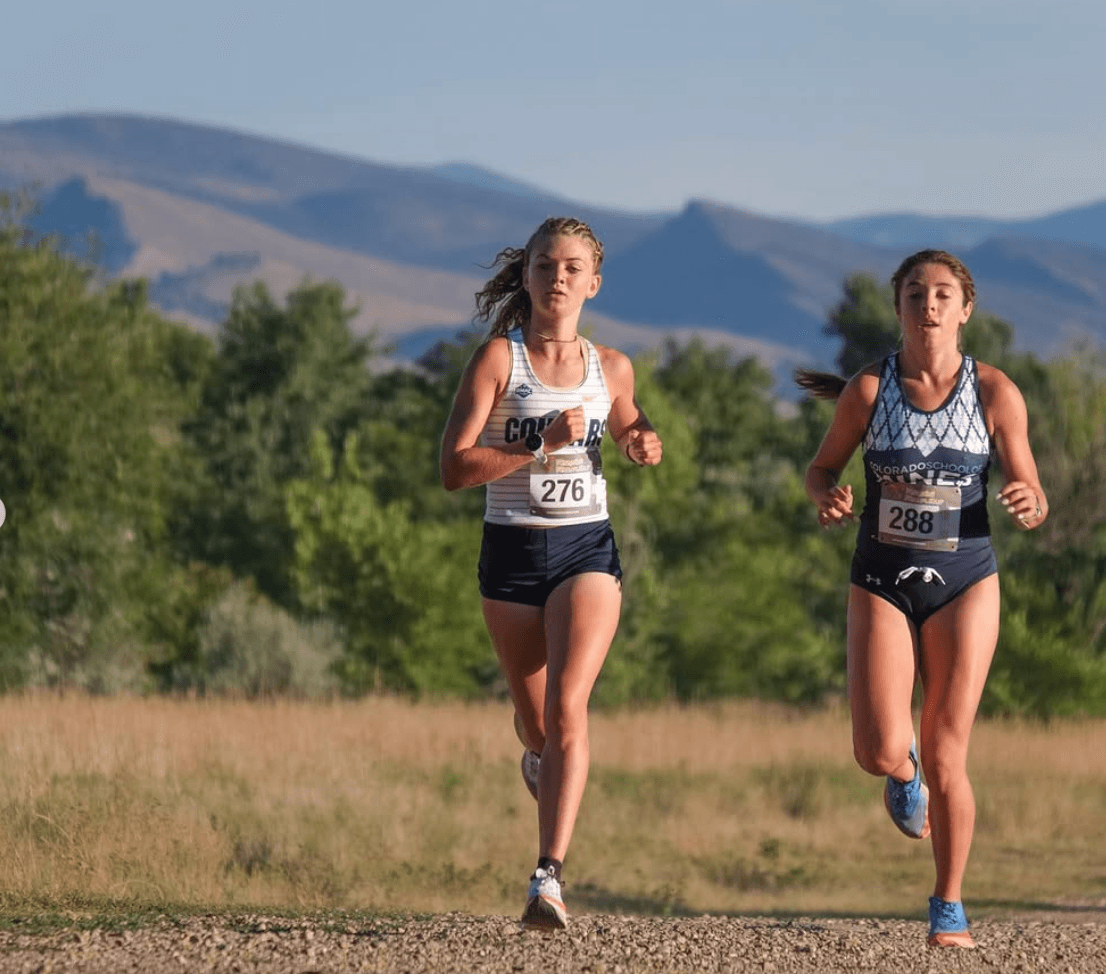
In my parents’ house, there’s a frame that hangs above the staircase where every person who walks through the door can see it. Inside is a medal and the race bib from the day I became an All-American during my very first college cross country season.
When my dad, one of my biggest fans, hung that frame on the wall, he left space beside it. Space for the medals he believed would come over the next four years. To him, that moment wasn’t the finish line, it was just the beginning.
But the years that followed didn’t look the way either of us imagined. Injuries, setbacks, and seasons that never quite went according to plan slowly filled the time that was supposed to hold those medals.
Five years later, that space beside the frame is still empty. The medal in that frame is the only one I have ever won.
For a long time, that empty space felt like a reminder of what didn’t happen, of the runner I thought I was supposed to become. But now, I see it as a testament of everything I overcame. My freshman year, I placed 19th in the nation at the NCAA Division II Cross Country Championships, one of the proudest moments of my life. But beneath that achievement was a reality I didn’t yet understand. What should have marked the beginning of a successful collegiate career instead became the start of a long test of resilience.
That breakthrough performance had been built on a foundation of bad habits, underfueling, overexercising, and pushing my body past its limits. I thought I was doing what it took to succeed. I saw discipline as eating less and running more. I told myself that leaner was faster, stronger, better.
At the time, it worked, at least on the surface, and I hit the result I wanted that day: an All-American finish. But underneath, my body was quietly rebelling. I was running on empty, physically and mentally, and the very habits I thought were giving me an edge were slowly eroding my health.
Over the next several years, I experienced secondary amenorrhea, stress fractures, torn tendons, and hypoglycemia - setbacks that ended many races before they even began. As my body broke, my confidence followed. I wondered if I even belonged on the starting line anymore. How could I compete with women who had never pushed their bodies to the brink? How could I keep the pace with athletes who fueled themselves properly and trained wisely, while I had spent years doing the opposite?
In the six years that medal has been sitting on that shelf collecting dust, I have learned an important lesson: no one can outrun underfueling. Eventually, those choices catch up to you. While those years cost me the college career I once imagined, they also taught me something far more valuable: the importance of fueling your body and respecting the work it does for you.
Today, I am pursuing a master’s degree in nutrition with the goal of becoming a sports dietitian. What once felt like the heartbreak of a lost athletic career has become the foundation for a new purpose of helping athletes fuel their bodies properly so they can reach their highest potential.
Life rarely goes the way we plan. Sometimes the victories we believe we earned, will never come, but the obstacles we face can always be used to remind us of what we are capable of.
If you are an athlete facing consequences from underfueling or overtraining, REDs does not have to be the end of your story. REDs has shaped me but it will never define me. Sometimes our greatest pains set the stage for our deepest callings, and sometimes, the space left empty on the wall tells a story more powerful than any medal ever could."